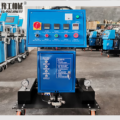
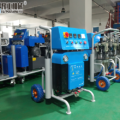
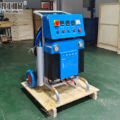
Choosing the right polyurethane spray foam machine is not just about price. The power type decides if your project runs smoothly or stops halfway.
The two main options are hydraulic and electric (pneumatic) pu spray machines. Each has its strengths. One is built for large-scale continuous work. The other is for smaller projects where flexibility matters.
This guide helps you choose the right power type for your work.
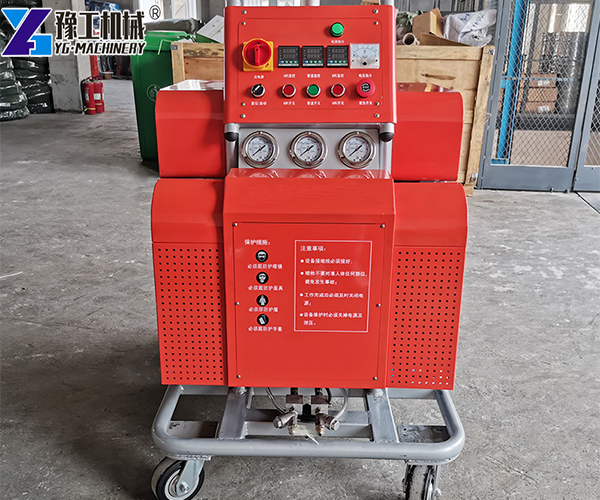
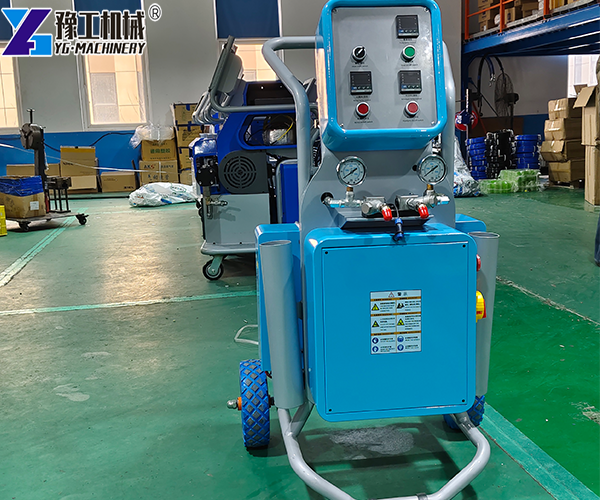
Hydraulic vs Electric Polyurethane Foam Spray Machine – Key Differences
The table below shows the main differences between hydraulic and electric/pneumatic spray foam machines.
| Feature | Hydraulic Spray Foam Machine | Electric/Pneumatic Spray Foam Machine |
| Drive mode | Hydraulic motor | Air compressor (pneumatic) |
| Output flow | 2-12 kg/min | 2-10 kg/min |
| Max pressure | Up to 36 MPa | Up to 28 MPa |
| Weight | 350-420 kg | 200-250 kg |
| Power consumption | Higher (19-29 kW) | Lower (9-16 kW) |
| Best for | Large projects, continuous work | Small to medium projects |
| Price | Higher | Lower |
Hydraulic foam sprayer uses a hydraulic motor to drive the pump. It delivers higher pressure and more consistent output. Electric pu spray machine (pneumatic) uses an air compressor. It is lighter and easier to move.
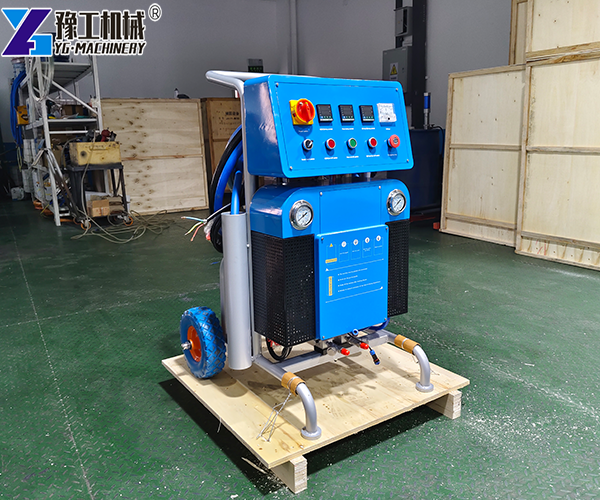
Hydraulic Spray Foam Machine – For Large Projects
A hydraulic polyurethane spray foam insulation machine is built for heavy-duty work.
Key advantages:
- Higher output – 2-12 kg/min, keeps up with large surface areas
- Higher pressure – Up to 36 MPa, handles long hoses and high-viscosity materials
- Continuous operation – Runs for hours without overheating
- Consistent performance – Stable output even with tough materials
- Long hose support – Up to 120 meters for large job sites
- Durable – Built for daily use on big projects
Best for:
- Large building exterior wall insulation (over 1,000 m²)
- Cold storage and refrigeration warehouse insulation
- Industrial pipeline insulation
- Large-scale roofing projects
- Continuous spraying operation
- Projects with long hose runs
A hydraulic sprayer is the right choice for large project foam insulation where downtime is costly. It keeps spraying all day without issues.
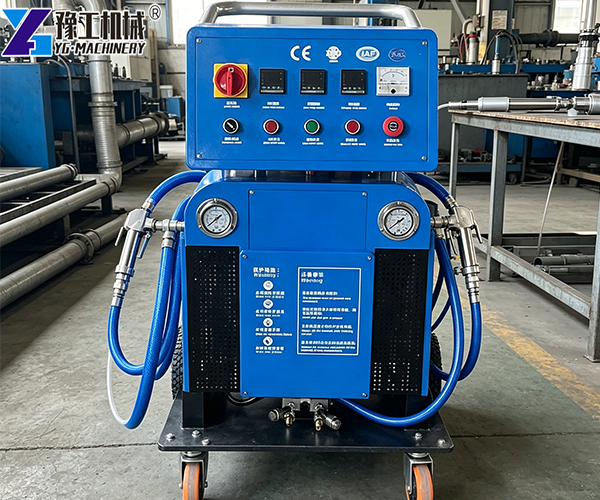
Electric/Pneumatic Polyurethane Foam Spray Machine – For Small and Medium Projects
An electric spray foam machine (pneumatic drive) is designed for smaller jobs and contractors who move between sites.
Key advantages:
- Lighter weight – 200-250 kg, easy to move
- Lower cost – Lower initial investment
- Plug and play – Connect to air compressor and power
- Compact size – Fits in small vehicles
- Simple operation – Easy to learn and use
- Lower power consumption – Saves on electricity costs
Best for:
- Small building wall insulation
- Residential roof insulation
- DIY and renovation projects
- Contractors who move between multiple small sites
- Small cold storage rooms
- Pipeline insulation (short runs)
A pneumatic foam sprayer is ideal for small project spray foam work where flexibility is more important than maximum output.
How to Choose – Project Type to Machine Type
| Your project type | Recommended power type | Why |
| Small building (under 500m²) | Electric/pneumatic | Lighter, lower cost, easy setup |
| Large building (over 1,000m²) | Hydraulic | High output, continuous operation |
| Cold storage, large area | Hydraulic | Consistent pressure, long hoses |
| Residential roof, small area | Electric/pneumatic | Portable, simple operation |
| Pipeline insulation, short run | Electric/pneumatic | Easy to move between sections |
| Pipeline insulation, long run | Hydraulic | Supports long hoses |
| Industrial project | Hydraulic | Durable, high pressure |
| Rental business | Electric/pneumatic | Easier to transport, lower investment |
Pu spray machine power type selection depends on your typical project size. If you work on large commercial projects, go hydraulic. If you handle small residential jobs, electric/pneumatic is enough.
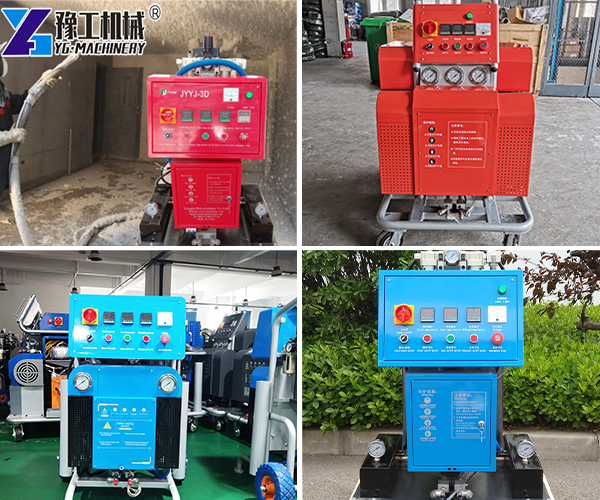
Real Case – Hydraulic Spray Foam Machine in Russia
A construction company in Russia was contracted to insulate large warehouse roofs. The project covered over 5,000 m². Temperatures were near freezing.
They needed a machine that could:
- Run for long hours without stopping
- Handle tough cold-weather conditions
- Produce consistent foam quality
They chose the YG-H5600 hydraulic polyurethane spray foam insulation machine.
Results:
- Stable operation despite freezing temperatures
- Heating system kept materials at optimal temperature
- Continuous spraying covered large roof areas efficiently
- Project completed on schedule
- The customer later purchased a second machine for another project
The project manager noted that the hydraulic machine performed reliably where a smaller electric unit would have struggled.
Budget Considerations – Hydraulic vs Electric
| Factor | Electric/Pneumatic | Hydraulic |
| Machine cost | Lower | Higher |
| Operating cost | Lower (less power) | Higher (more power) |
| Maintenance cost | Lower | Higher (hydraulic parts) |
| ROI for small projects | Faster | Slower |
| ROI for large projects | Slower | Faster |
For smaller contractors, an electric spray foam machine price is more affordable. It pays back faster on small jobs.
For large-scale contractors, a hydraulic sprayer cost is justified by higher productivity and faster job completion.
Summary – Which Power Type Should You Choose?
Choose hydraulic if:
- You work on large projects (over 1,000 m²)
- You need continuous spraying all day
- You use long hoses (over 50 meters)
- You need consistent high output
- You work with high-viscosity materials
Choose electric/pneumatic if:
- You work on small to medium projects
- You move between job sites often
- You have limited budget for initial investment
- You need a lighter, more portable machine
- You are new to spray foam work