Choosing between a tracked crusher and a wheeled crusher is not easy. Both are mobile crusher machines. Both crush rocks, concrete, and asphalt on site. But they work best in different conditions.
Pick the wrong one, and you may struggle with poor mobility, higher operating costs, or slow production. Pick the right one, and your mobile stone crusher plant will run smoothly for years.
This guide compares tracked crushers and wheeled crushers side by side. You will learn the key differences, the pros and cons of each, and how to choose the right mobile crusher for sale for your project.
What Is a Tracked Crusher?
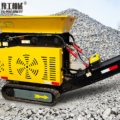
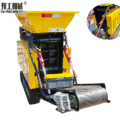
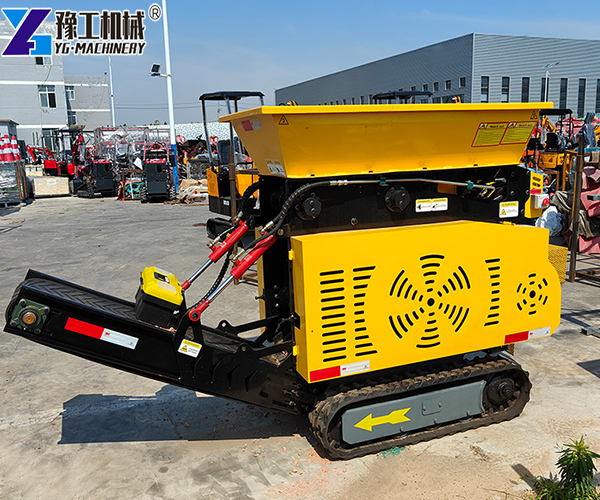
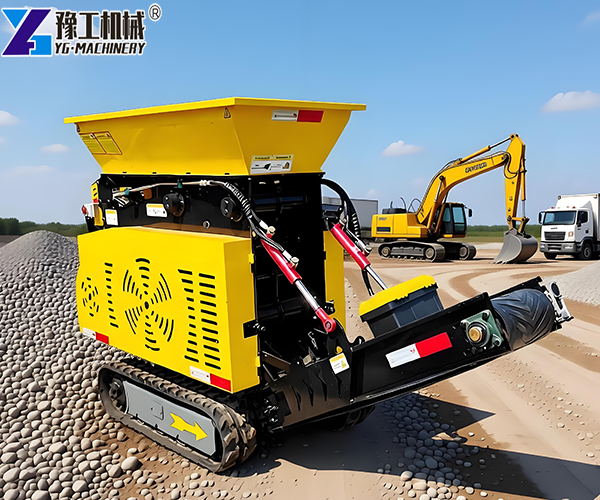
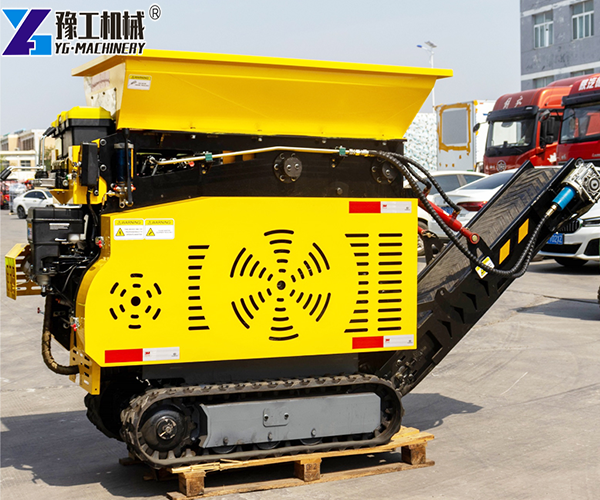
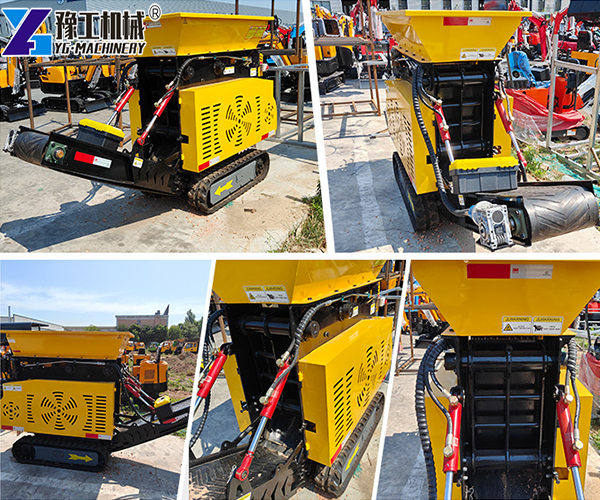
A tracked crusher is a mobile crushing plant mounted on crawler tracks. It moves like a tank. One operator drives it from the cab. No towing vehicle is needed.
The tracked undercarriage gives it excellent grip on soft ground, mud, steep slopes, and uneven terrain. It can climb hills that would stop a wheeled unit. Some models can even crush while moving slowly.
Best for:
- Mountain quarries and remote mining sites
- Demolition sites with uneven ground and debris
- Wet, muddy, or soft ground conditions
- Projects where the work face moves frequently
Popular types under tracked mobile crusher:
- Tracked jaw crusher – for primary crushing of large rocks
- Tracked impact crusher – for concrete recycling and asphalt crushing
- Tracked cone crusher – for producing fine aggregates from hard stone
For more models and specifications, see tracked crusher for sale.
What Is a Wheeled Crusher?
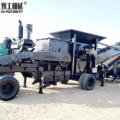
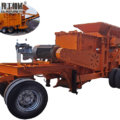
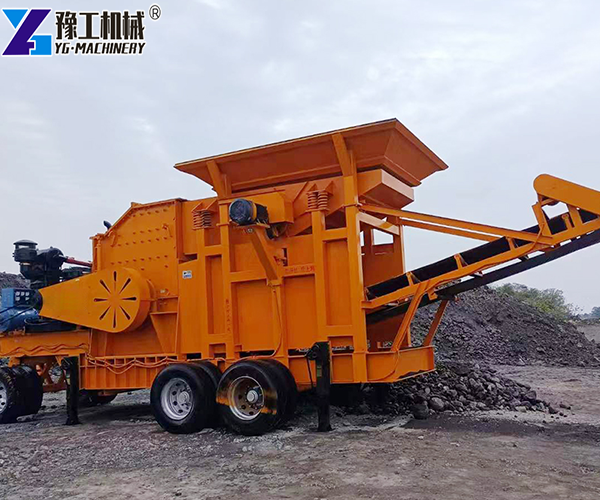
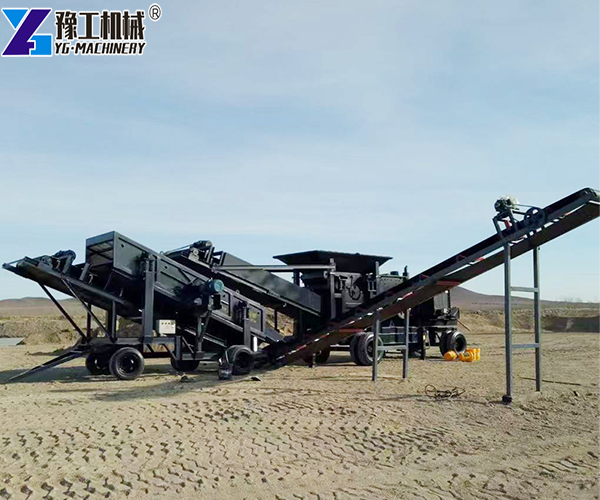
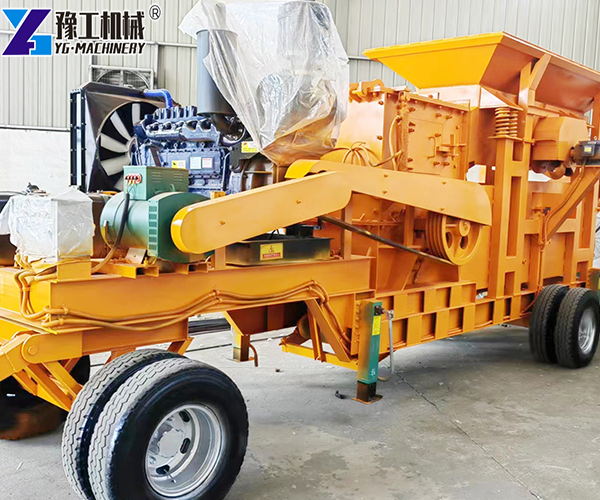
A wheeled crusher is a mobile stone crusher plant mounted on a wheeled chassis with tires. It needs to be towed by a truck or tractor to move between sites. Once on site, it is parked on level ground and set up for crushing.
Wheeled units are generally less expensive than tracked units. They are also easier to transport on highways because they can be towed without a special lowboy trailer in some cases.
Best for:
- Highway and road construction projects
- Urban demolition sites with paved or flat ground
- Sites with good road access and level working areas
- Contractors who move between many different sites
Popular types under mobile crusher machine:
- Wheeled jaw crusher – for primary crushing
- Wheeled impact crusher – for recycling and medium hardness stone
- Wheeled cone crusher – for secondary and fine crushing
specific job site conditions.
Key Differences at a Glance
| Feature | Tracked Crusher | Wheeled Crusher |
| Mobility | Self-propelled, moves on crawler tracks | Towed by truck or tractor |
| Terrain | Rough, muddy, steep, uneven ground | Paved roads, flat, stable ground |
| Setup time | 15-30 minutes, no leveling required | 30-60 minutes, needs level ground |
| Highway transport | Requires lowboy trailer | Can be towed (depending on size) |
| Price | Higher initial cost | Lower initial cost |
| Crushing while moving | Possible on some models | Not possible |
| Stability on soft ground | Excellent | Poor |
| Best for | Quarries, mines, remote sites | Road projects, urban sites |
Detailed Comparison
1. Mobility and Terrain
Tracked Crusher: The crawler tracks distribute the machine’s weight evenly. This allows it to work on soft ground, wet soil, and muddy sites without sinking. It climbs steep slopes easily. You can reposition the mobile crusher machine in minutes without a towing vehicle.
Wheeled Crusher: The wheels work best on hard, flat, paved surfaces. On soft ground, the tires may sink or lose traction. You need a truck or tractor to move it between positions. This can slow down production when the work face moves frequently.
Winner: Tracked Crusher – for rough and challenging terrain.
2. Setup and Relocation Time
Tracked Crusher: Setup takes 15-30 minutes. Lower the stabilizer legs, connect power or fuel, and start feeding. No need to level the ground. When the work face moves, drive the tracked mobile crusher to the new spot. Relocation takes only minutes.
Wheeled Crusher: Setup takes 30-60 minutes. You need to find level ground. You may need to use pads or blocks to level the unit. Relocation requires a towing vehicle, which may not always be available on site.
Winner: Tracked Crusher – for faster setup and relocation.
3. Transport Between Job Sites
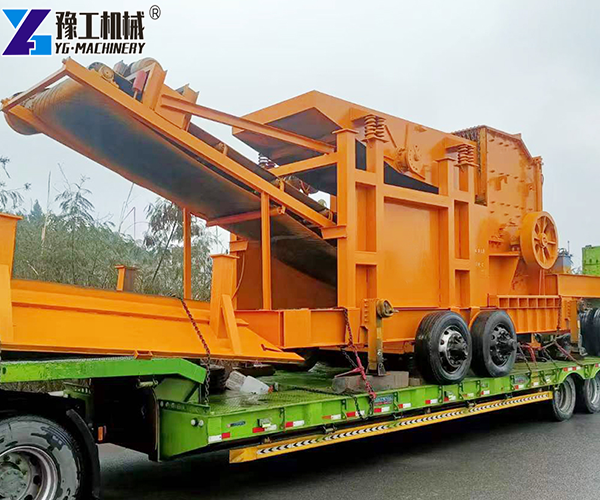
Tracked Crusher: You need a lowboy trailer and a truck to haul it between sites. This adds transport cost and requires special permits in some areas. However, once on site, it moves independently.
Wheeled Crusher: Depending on local laws, you may be able to tow a wheeled portable crusher directly behind a truck. This is faster and cheaper than loading a tracked unit onto a trailer. For short moves on public roads, this is a big advantage.
Winner: Wheeled Crusher – for easier highway transport.
4. Crushing Performance
Both tracked crushers and wheeled crushers use the same crushing technology: jaw, impact, or cone crushers. The crushing performance depends more on the crusher type and power than on the mobility system.
For the same model size, both offer similar:
- Feed opening size
- Capacity in tons per hour
- Output size adjustment range
Winner: Tie – crushing performance is similar for same specifications.
5. Price and Operating Cost
Tracked Crusher: Higher initial purchase price. The tracked undercarriage adds cost. However, it can work in more places and may replace multiple wheeled units on rough terrain.
Wheeled Crusher: Lower initial price. Simpler design means lower maintenance costs for the mobility system. However, you may need to prepare the ground (gravel pads, leveling) before setup, which adds site preparation cost.
Winner: Wheeled Crusher – for lower initial investment.
Which One Should You Choose?
Choose a Tracked Crusher If:
- Your job site has rough, uneven, or muddy ground
- You work in a quarry or mine where the work face moves often
- You need to climb slopes or work on hills
- You want to reposition the mobile stone crusher plant quickly without a towing vehicle
- You are working in remote areas with poor road access
Example project: A quarry in a mountain area. The rock face advances every week. The ground is uneven and steep. A tracked mobile crusher moves along with the work face. A wheeled unit would struggle on the slope and soft ground.
Choose a Wheeled Crusher If:
- Your job site has paved roads or hard, flat ground
- You work on highway or road construction projects
- You move between many different sites and need to tow the crusher on public roads
- You want a lower initial investment
- Your crushing work is at a fixed location for longer periods
Example project: A road construction project along a 10-mile highway. The contractor moves the wheeled crusher to different sections every few weeks. A truck tows it on the highway. The ground is compacted road base, suitable for wheels.
Still Not Sure?
If you are still unsure which portable crusher machine is right for your project, consider these questions:
- What is the ground condition at your site? (paved, dirt, mud, rock, slope)
- How often will you need to move the crusher? (daily, weekly, monthly)
- Do you have a truck to tow a wheeled unit?
- Is your budget more important, or is mobility on rough ground more important?
- What material are you crushing? (hard rock, concrete waste, asphalt)
Tell us your answers. YG Machinery can recommend the right mobile crusher for sale for your specific job site conditions.
For a full range of options, see mobile stone crusher plant for sale.
YG offers both tracked crushers and wheeled crushers. We export mobile stone crusher plants to Canada, Australia, Mexico, Spain, and many other countries. Contact us for a quote or for help choosing the right model.