Uneven spray foam machine Machine thickness is frustrating. One section looks perfect. The next section is thin. Another spot is too thick and sagging.
The insulation value drops. The surface looks bad. The customer complains. You lose time and money fixing it.
A polyurethane foam spraying machine should deliver consistent thickness. Uneven foam means something is wrong.
Whether you use a high-pressure or low-pressure pu spray machine, pressure stability is the key to even thickness.
Most uneven spray foam machine Machine thickness problems come from six causes. Fix these, and your foam looks professional every time.
A pu foam spray machine needs proper setup and operation. These six causes apply to all polyurethane spray equipment.

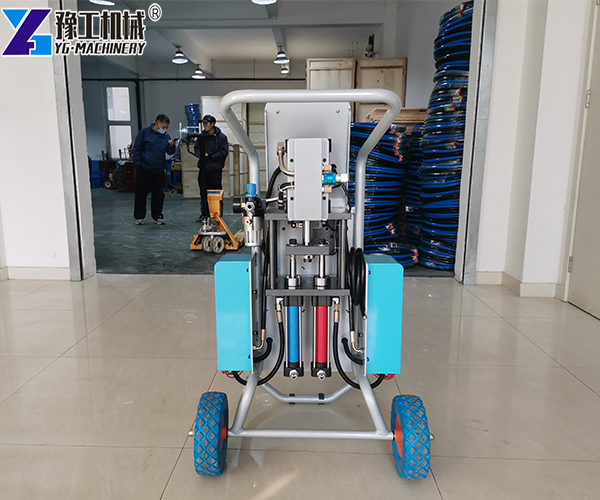
Cause 1 – Foam Spray Flow Rate Is Wrong
Flow rate controls how much material comes out of the gun. Wrong flow rate = uneven thickness.
What happens:
- Flow too high: Material piles up in one spot. Thick areas sag.
- Flow too low: Thin spots. Low insulation value.
- Flow fluctuates: Inconsistent layers.
Foam spray flow rate is controlled by the machine. Check the output setting.
How to fix:
- Check the output flow setting on the machine
- Adjust to match the job requirement
- Most machines: 2-12 kg/min (adjustable)
- Run test sprays to confirm the rate
- Keep the flow steady throughout the job
If the flow changes during spraying:
- Check for blockages in the hoses
- Check material viscosity
- Check pump pressure
- Check filter condition
Cause 2 – Spray Gun Moving Speed Is Inconsistent
Gun speed is the most common operator error. Moving too fast or too slow changes thickness.
What happens:
- Too fast: Thin layer. Light spots. Low R-value.
- Too slow: Thick layer. Heavy spots. Sagging.
- Varying speed: Uneven thickness across the surface.
How to fix:
- Move the gun at a steady, consistent speed
- Practice on scrap material first
- Use a metronome or count to keep rhythm
- Watch your speed on every pass
Spray gun moving speed should be steady from start to finish. Do not speed up to finish faster. Do not slow down to get thicker foam. Each pass should be the same speed as the last.
Tip: Mark the surface with a guide line. Move at a steady walking pace. Keep the gun at the same angle.
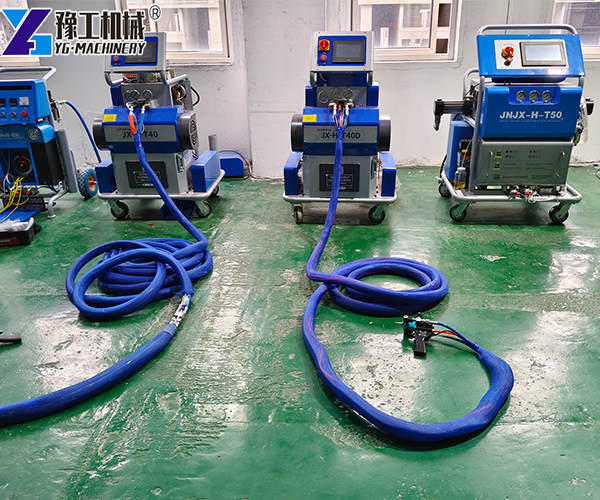
Cause 3 – Spray Gun Distance to Surface Is Wrong
Gun distance changes how the foam lands on the surface. Wrong distance = uneven foam.
What happens:
- Too close: Too much foam in one spot. Thick, heavy layer. May sag.
- Too far: Foam loses temperature. Poor adhesion. Thin, weak spots.
- Changing distance: Uneven thickness and poor texture.
The correct distance:
- Standard distance: 30-50cm from the surface
- Keep the gun perpendicular to the surface (90° angle)
- Do not change distance during a pass
Spray gun distance to surface affects both thickness and adhesion. Too far, and the foam hits the surface cold. Too close, and it piles up.
How to fix:
- Use your arm length as a rough guide
- Practice with a fixed distance
- Check the spray pattern
- Keep the same distance throughout
Cause 4 – Spray Machine Pressure Is Fluctuating
Pressure drives the material through the hoses and gun. Pressure changes = thickness changes.
What happens:
- Pressure drops: Material flow slows. Thin spots appear.
- Pressure surges: Too much material. Thick, uneven spots.
- Inconsistent pressure: Varying thickness on every pass.
Spray machine pressure should stay stable. A 0.5 MPa change changes the flow rate.
How to fix:
- Check the pressure gauge regularly
- Maintain a steady pressure during spraying
- Keep the material supply consistent
- Check for hose blockages
If the pressure drops:
- Check the material drums (are they empty?)
- Check the feed pumps
- Check the air supply for pneumatic models
- Check hydraulic pressure for hydraulic models

Cause 5 – Material Temperature Is Wrong
Temperature affects material viscosity. Viscosity affects flow. Flow affects thickness.
What happens:
- Too cold: Material is thick. Flow slows. Thin layers.
- Too hot: Material is thin. Flow increases. Thick layers.
- Temperature changes: Thickness changes during the job.
Material temperature control is critical for consistent foam. The machine heating system is there for a reason.
How to fix:
- Set the temperature to the correct range
- Standard polyurethane: 50-65°C
- Cold weather: 65-80°C
- Wait for the system to reach temperature before spraying
- Keep the temperature steady during the job
If the temperature changes:
- The material viscosity changes
- Flow rate changes
- Thickness changes
Cause 6 – Surface Preparation Is Poor
The surface condition affects how the foam spreads and sticks. Poor surface = uneven foam.
What happens:
- Dirty surface: Foam does not stick. Peels off. Thickness varies.
- Uneven surface: Foam fills low spots. Thick in some areas, thin in others.
- Wet surface: Foam does not adhere properly.
Surface preparation for foam is simple but often skipped. It is necessary for proper foam adhesion.
How to fix:
- Clean the surface before spraying
- Remove dust, oil, and loose material
- Ensure the surface is dry
- Level uneven areas before spraying
- Apply primer if recommended
Check the surface condition:
- Is it clean? No dirt or grease.
- Is it dry? No moisture.
- Is it level? No high or low spots.
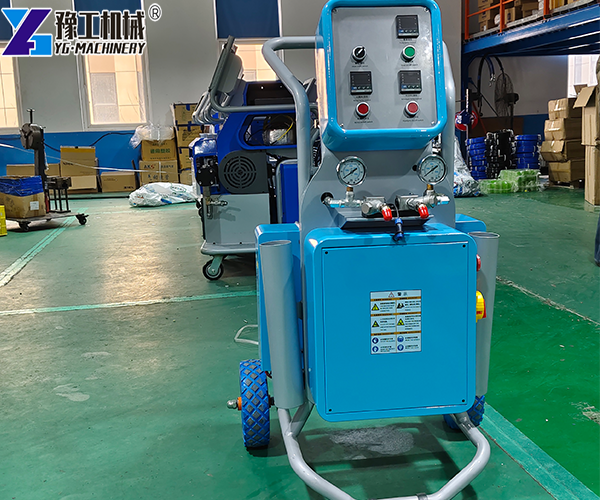
How to Fix Uneven Spray Foam Machine – Quick Solutions
| Problem | Likely cause | What to do |
| Thick spots in one place | Move too slow, gun too close | Keep steady speed, 30-50cm distance |
| Thin spots | Move too fast, flow too low | Slow down, increase flow |
| Uneven surface | Speed varies, temperature changes | Keep steady speed, check temperature |
| Foam does not stick | Surface dirty, wrong temperature | Clean surface, check temperature |
| Sagging foam | Too thick in one pass, too hot | Spray 3-5mm per pass, lower temp |
| Void in foam | Low pressure, flow interrupted | Check pressure, steady flow |
Spray Foam Machine Thickness Consistency Checklist
Before and during every job, check these six points.
- Flow rate is set correctly
- Gun moving speed is steady
- Gun distance is 30-50cm
- Spray machine pressure is stable
- Material temperature is correct
- Surface is clean and dry
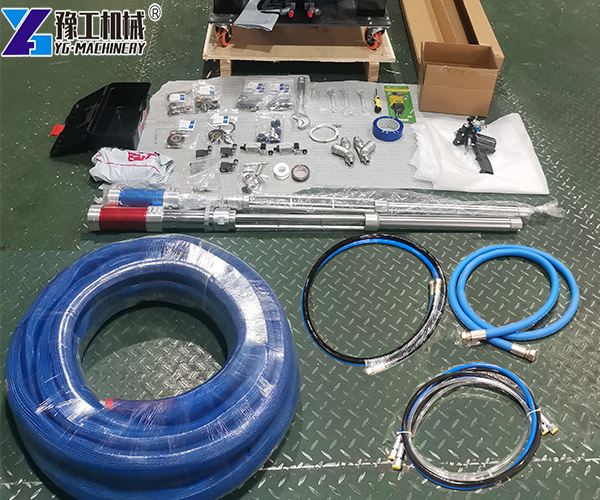
Summary – 6 Causes of Uneven Spray Foam Machine Thickness
| Cause | Fix |
| Flow rate wrong | Set and check machine output |
| Speed inconsistent | Practice steady speed |
| Distance wrong | Keep 30-50cm from surface |
| Pressure fluctuating | Monitor pressure gauge |
| Temperature wrong | Set correct temperature |
| Surface poor | Clean and level the surface |
Related content:
 High Pressure vs Low Pressure Pu Foam Spray Machine
 How to Choose a Wood Splitter – 3 Key Parameters You Must Know
 Car Wash Machine for Gas Station – How Much Capacity Do You Need?
 Polyurethane Coating Machine for Sale
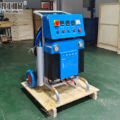 Polyurethane Spray Foam Equipment for Sale
 Slipform Curb Machine vs Manual Curb Construction