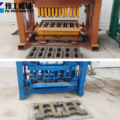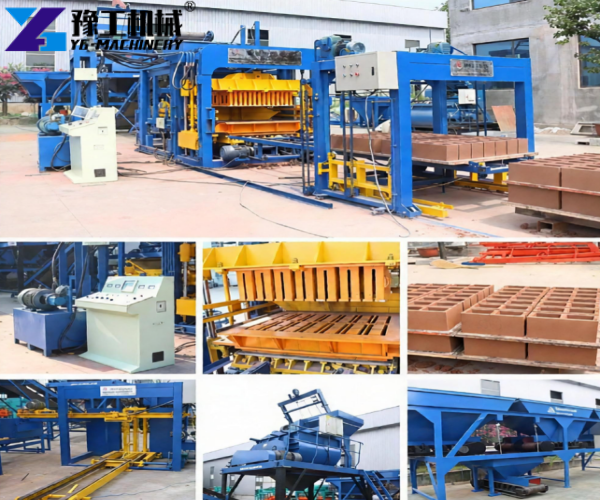
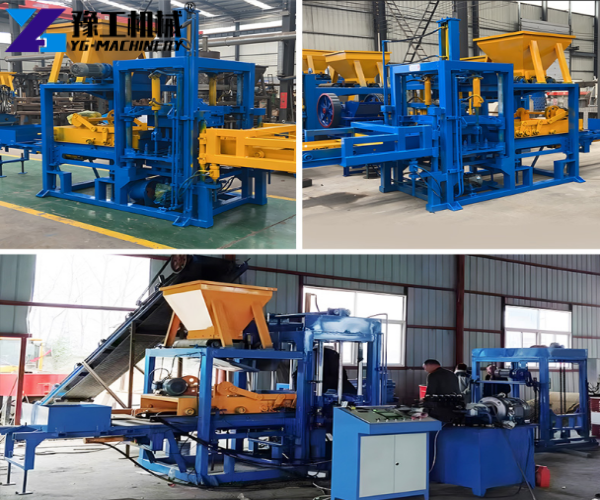
Chile’s construction market includes residential housing, boundary walls, commercial buildings, and infrastructure projects. These jobs require concrete blocks in different sizes and shapes. For local building material suppliers, a hollow block making machine for Sale offers a way to produce blocks close to their customer base instead of relying entirely on outside suppliers.
For a block producer in central Chile, production planning involves more than machine output. Cement quality, aggregate grading, water content, mold dimensions, and curing conditions all affect finished blocks. Local electrical requirements also matter when installing imported machinery.
Hollow Block Making Machine for Sale Specifications
| Item | Model | Description | Quantity |
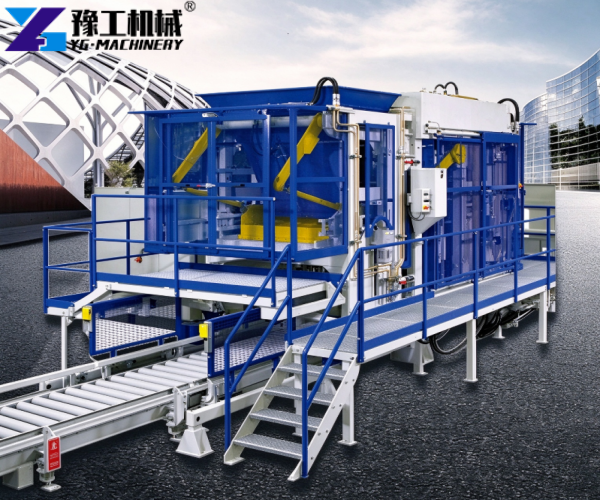
| Machine to manufacture brick blocks | Machine to manufacture brick blocks | Power: 6.7kwWeight: 800kgSize: 1.6m1.3m2.3mOutput: 18000 pieces/8 hours | 1 set |
| Mixer | Mixer | Power: 5.5kwWeight: 300 kgSize: 1.251.251.1 mDiameter: 1.2 m | 1 pc |
| transporter | transporter | Power: 3 kWWeight: 500 kgSize: 5.8 * 0.85 * 0.8 m | 1 pc |
| small hand truck | small hand truck | Weight: 100 kgDimension: 2.8 * 0.8 * 1.8 m | 1 pc |
| Toolbox | Toolbox | Weight: 100 KGSize: 0.40.230.9 m | 1 set |
| Mold | Mold | 3 set |
Production Requirements for a Block Plant in Chile
Diego Morales planned to expand his block production business in Chile. His main concerns included production volume, product consistency, and the ability to serve customers who ordered different block sizes.
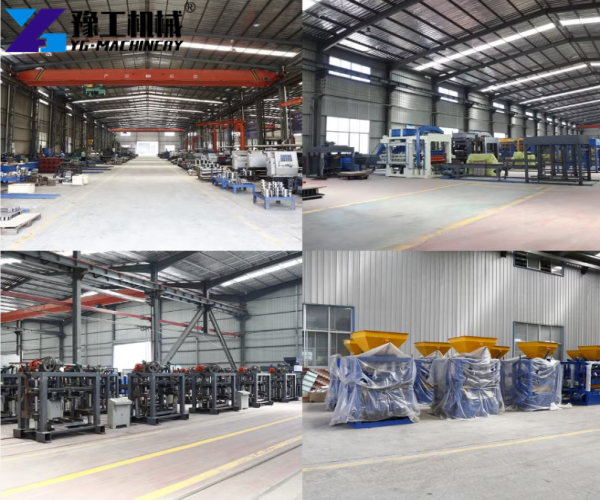
A small block plant needs a practical layout. Cement and aggregates require separate storage areas, while the mixer needs convenient access to both materials. Workers also need enough room to move fresh blocks without damaging their edges. A designated curing area keeps finished products away from active production work.
Concrete block making machine installations also require attention to local electrical conditions. Chile commonly uses 220 V, 50 Hz power, but buyers must confirm the actual motor voltage and phase requirements before connecting imported equipment. The supplied specifications list motor power but do not state voltage or phase. The buyer should obtain the electrical diagram and confirm installation requirements with a qualified local electrician.
Material selection deserves similar attention. Cement should meet applicable Chilean requirements, including the relevant provisions of NCh148. Concrete mix design and strength requirements must follow the project specifications and applicable standards, including NCh170 where relevant. Aggregate grading, moisture content, and water dosage also affect the mixture. A consistent mixing process gives operators better control over each production batch.
Chile also faces significant seismic risks. For structural walls, engineers must confirm whether a particular block type meets the project’s structural design and local building requirements. A block making machine forms the product; it does not by itself certify the block for structural use.
Advantages of Using This Concrete Block Making Machine
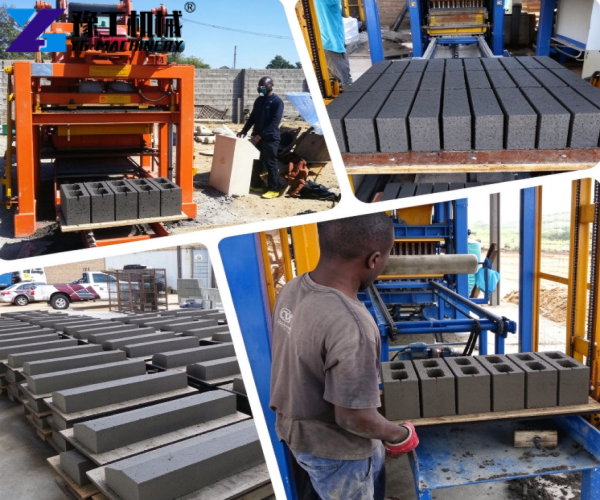
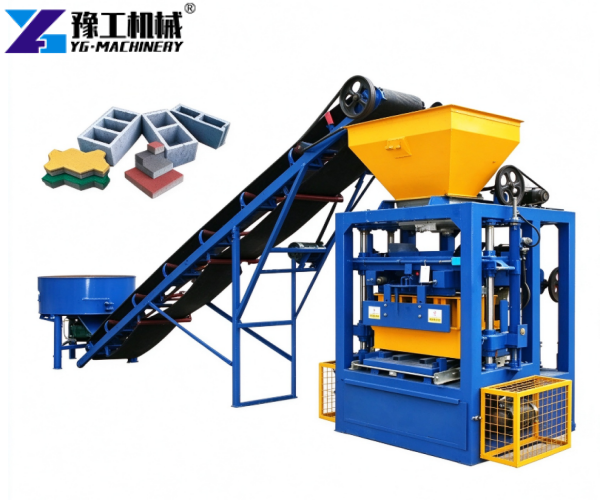
The equipment package combines forming, mixing, and material transfer. This arrangement gives a small production team a more organized way to handle daily orders.
- Less manual material handling: The mixer prepares each batch, and the conveyor moves materials between work areas. Workers can spend less time carrying materials manually.
- More flexibility with block sizes: Three mold sets allow production changes when customers request different specifications. Mold compatibility and changeover time remain important when planning orders.
- Clearer production scheduling: The listed output gives the owner a reference for planning shifts and material supplies. Actual daily output also depends on block dimensions, batch preparation, mold changes, and handling time.
- Simpler workshop planning: The main machine occupies a footprint of 1.6 × 1.3 m, with a height of 2.3 m. The complete layout must also allow room for the mixer, conveyor, workers, and finished blocks.
- Better control over product consistency: Consistent material proportions, even mixing, stable forming conditions, and proper curing can reduce defects. Operators still need to monitor block dimensions, edge quality, and strength.
For a local supplier, these features can make it easier to manage different orders without separating every production stage into an independent operation. Buyers should also account for mold costs, freight, import charges, electrical preparation, and installation when calculating the total investment.
Customer Feedback on Output and Technical Support
Diego Morales described his production experience in practical terms:
“Output matches the quotation. We get 18,000 blocks in eight hours. When we run two shifts, daily production can exceed 30,000 blocks. Material feeding from the mixer is even, and the blocks come out with clean edges. Our reject rate has stayed below 5%. The three mold sets are useful because we can switch between the sizes our customers order.”
He also mentioned a problem during the first week of operation:
“We had a hydraulic system alarm during the first week. I sent a video to the factory engineer and received troubleshooting steps two hours later. We solved the problem that day.”
For a production business, downtime can delay customer orders and disrupt delivery schedules. Clear troubleshooting instructions give operators a way to identify problems and follow the correct steps. Regular maintenance and timely technical support also matter as operating hours increase.
Businesses planning to establish block production in Chile can consider a hollow block making machine for Sale based on required block sizes, production volume, site layout, and local installation conditions. YG Machinery can provide equipment specifications and mold details for buyers who need to plan a complete production setup.