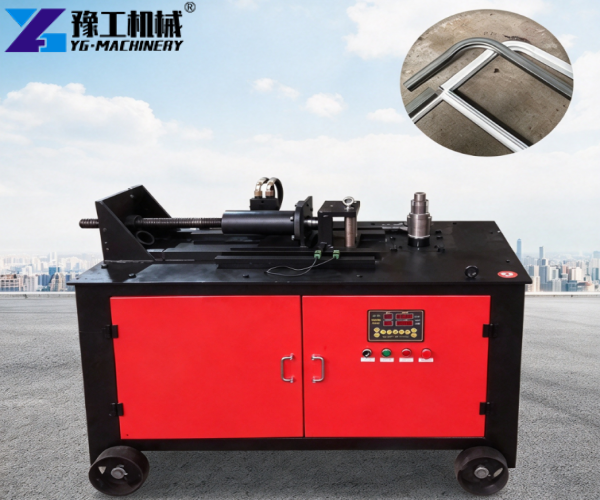
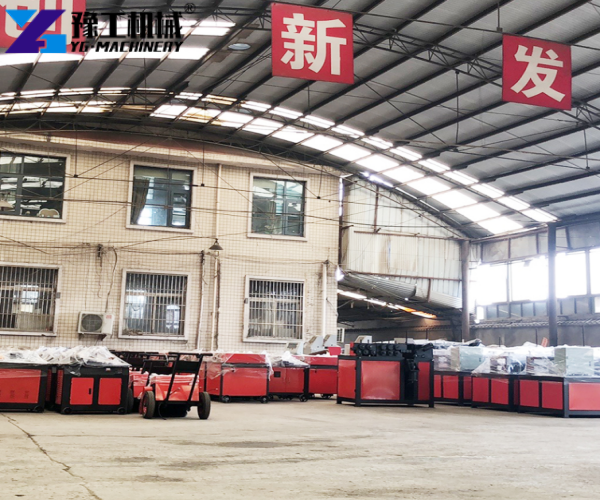
Metal tube bending requires control over tube diameter, wall thickness, bending angle, and radius. An Automatic Pipe Bending Machine forms straight metal tubes into shapes used in furniture frames, vehicle components, handrails, and industrial structures. Different products require different bending methods and tooling. The right machine must match the tube dimensions and the shape of the finished part. These details also affect surface quality, dimensional accuracy, and production time.
Parameter of CNC Pipe Bender
| Model | YG-26 | YG-38 | YG-51 | YG-76 | YG-N76 |
| Tube diameter | Φ8-26mm | Φ10-38mm | Φ10-51mm | Φ10-76mm | Φ10-76mm |
| Maximum wall thickness | 2mm | 3mm | 3mm | 3mm | 4-5mm |
| Maximum square tube diameter | 25mm | 30mm | 40mm | 50mm | 60mm |
| Maximum wall thickness | 2mm | 3mm | 3mm | 3mm | 3mm |
| Maximum rectangular tube diameter(Vertical Bend) | 10*20mm2mm | 20*40mm3mm | 30*50mm3mm | 40*80mm3mm | 50*100mm3mm |
| Maximum rectangular tube diameter(Flat bend) | 10*20mm2mm | 20*30mm3mm | 20*40mm3mm | 30*50mm3mm | 40*80mm3mm |
| Maximum wall thickness | 2mm | 3mm | 3mm | 3mm | 3mm |
Scope of Application of the Pipe Bending Machine
A pipe bending machine for metal tubes serves manufacturers that produce shaped tubular components. Its applications vary according to product design and material requirements.
- Automotive manufacturing: Factories use bent tubes for selected exhaust components, structural parts, and auxiliary piping. Each component requires dimensions that match its assembly.
- Furniture manufacturing: Metal furniture producers bend tubes for chair frames, table legs, bed frames, and display stands. Consistent angles help align components during welding and assembly.
- Construction and steel fabrication: Workshops produce handrails, guardrails, curved supports, and decorative metal structures. Larger profiles may require machines with greater processing capacity.
- Fitness equipment manufacturing: Bent tubes form exercise equipment frames, handles, and support bars. The finished parts must maintain their shape under normal use.
- HVAC and industrial piping: Manufacturers shape compatible metal tubes for equipment connections and piping assemblies. The required radius and tube material vary by application.
- General metal fabrication: Workshops produce custom frames, machine guards, and tubular components for industrial equipment.
These applications involve different production requirements. A furniture manufacturer may process many identical frame components, while a custom fabrication workshop may handle several tube sizes in one shift. The machine configuration should reflect the actual product range, not just the largest tube diameter.
Automatic Pipe Bender Features
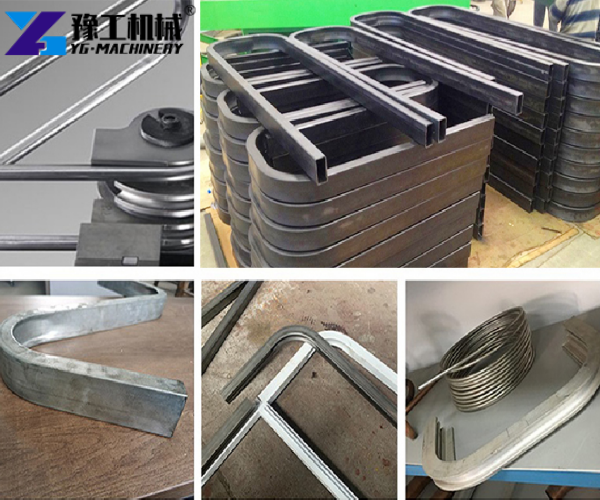
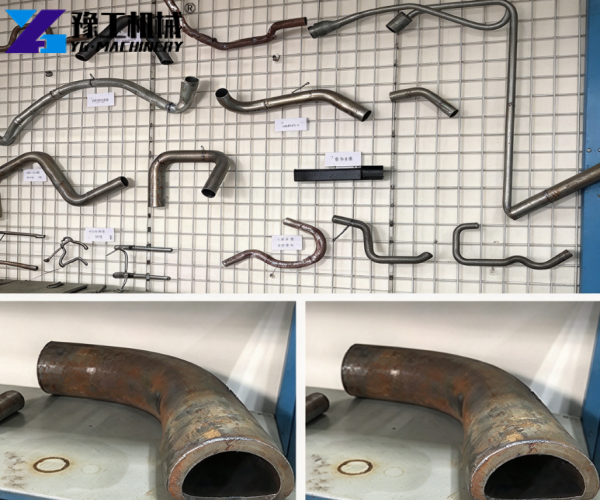
An automatic tube bending machine controls tube forming through its operating system and mechanical structure. Its functions influence setup time, repeatability, and the range of products a workshop can process.
- Controlled bending: Operators set the required parameters according to the machine’s control functions. Correct settings help maintain the specified angle across repeated parts.
- Repeatable operation: Stored programs, where available, reduce the need to enter the same settings for each production run.
- Multiple tube profiles: Different models process round, square, or rectangular tubes within their rated ranges.
- Replaceable tooling: Matching dies allow operators to process different tube dimensions and shapes when the machine supports the required configuration.
- Production line coordination: Bending can follow tube cutting and preparation. The formed parts can then move to welding, finishing, or assembly.
The machine alone does not determine the finished quality. For example, unsuitable tooling can leave surface marks, while excessive compression can cause wrinkles on the inner wall. A trial bend allows operators to inspect the angle, surface, and cross-section before processing the full order.
Select CNC Pipe Bender Equipment Process
- Prepare the product drawing. Include the tube outer diameter, wall thickness, material, bending angles, bend radius, and straight sections between bends.
- Match the machine capacity. Check the specified limits for the tube profile and dimensions. For rectangular tubes, verify both the cross-section and bending direction.
- Define the quality requirements. Identify acceptable limits for surface marks, cross-sectional deformation, and dimensional deviation.
- Test a sample tube. Provide the manufacturer with the drawing and actual material where possible. Inspect the sample for wrinkles, flattening, and angle errors.
- Confirm operating conditions. Verify the power supply, installation space, tooling, operator training, spare parts, and technical support.
Sample testing is particularly useful for thin-walled tubes and products with small bending radii. Both conditions can increase the risk of deformation. Testing the actual material also reveals issues that nominal tube dimensions alone cannot show.
Before placing an order, buyers should obtain confirmation of the machine configuration and its processing limits for the intended product. This step reduces the risk of choosing equipment that cannot produce the required shape.
CNC Platform Pipe Bending Machine Manufacturer From YG Machinery
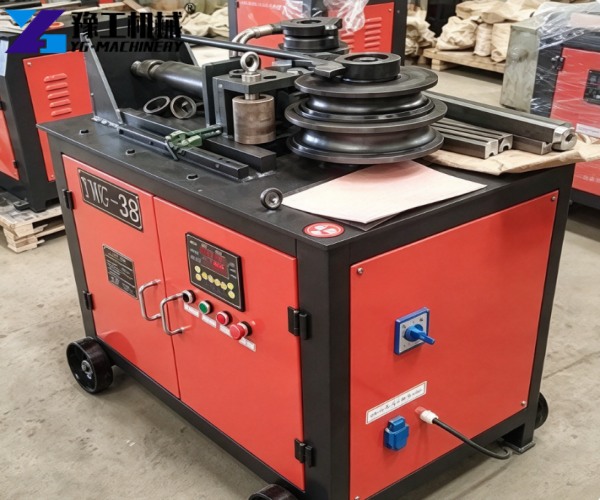
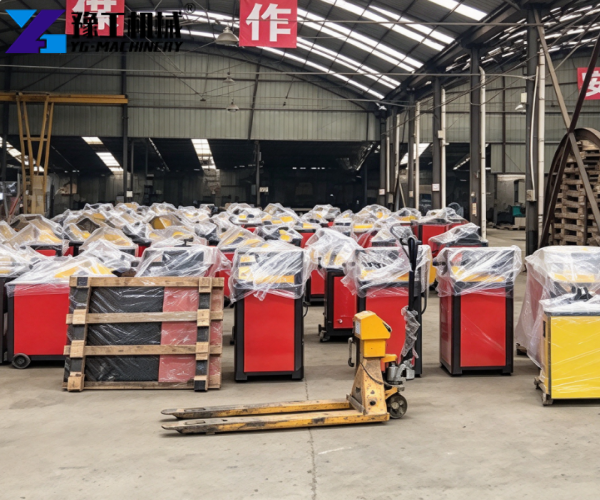
YG Machinery supplies pipe bending equipment for metal tube processing. Model selection starts with the tube dimensions, material, and required bend shape. Product drawings and sample requirements provide useful information for confirming the machine configuration.
For customers who also handle reinforcement steel, YG Machinery offers two additional types of equipment: hydraulic thread rolling machine,rebar straightening and cutting machine.These products serve different tasks from pipe bending. Buyers who need equipment for both tube fabrication and rebar preparation can assess each machine according to its own processing requirements.
FAQ
Can a pipe bending machine process tubes with different diameters in one production run?
A machine may handle several tube diameters within its rated range, but each size may require a tooling change and new settings. Frequent changes can also increase setup time. For orders with mixed dimensions, confirm the available tooling and changeover procedure before purchase.
What is the difference between tube bending and tube forming?
Tube bending changes the direction of a tube along a curve. Tube forming is a broader term that also covers operations such as expanding, reducing, flaring, and shaping tube ends. A pipe bender does not automatically perform all these operations.
Does a larger tube diameter always require a larger machine?
Not necessarily. The required capacity also depends on wall thickness, material strength, bend radius, and tube profile. A thin-walled tube and a thick-walled tube of the same diameter may require different forming forces. Buyers should confirm the full processing conditions rather than use diameter alone.