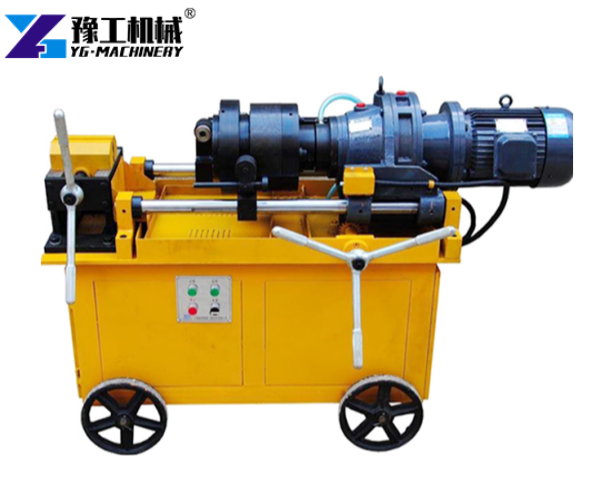
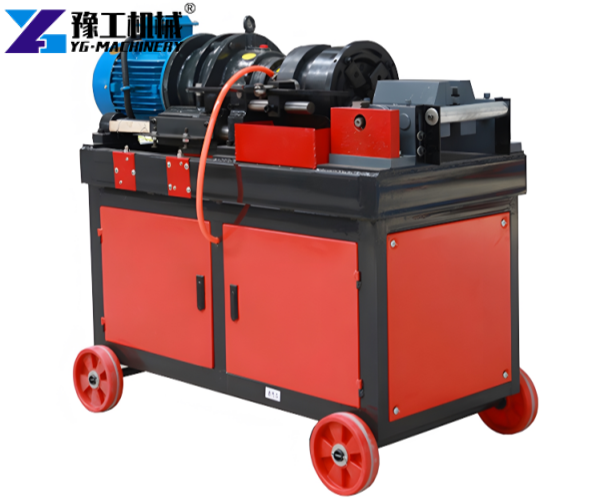
A hydraulic thread rolling machine forms external threads by pressing rotating dies against metal workpieces. Manufacturers use this process to produce bolts, threaded bars, rebar couplers, and other fasteners in batches. Unlike cutting, rolling displaces metal instead of removing it, reducing material waste. The process suits carbon steel, alloy steel, stainless steel, and selected nonferrous metals when material properties and tooling meet the required specifications.
Hydraulic Thread Rolling Machine Parameters
| Model | YG28-40 | YG28-80 | YG28-150 | YG28-185 | YG28-200 |
| Max rolling pressure | 120KN | 150kn | 150kn | 180kn | 200kn |
| Hydraulic diameter | 5-36MM | 6-42mm | 6-48 | 10-60mm | 14-80mm |
| Rolling wheel diameter | 120-170MM | 120-170mm | 120-170mm | 175-220mm | 175-220mm |
| Max width of rolling wheel | 110MM | 110MM | 110MM | 150mm | 150mm |
| Spindle center distance | 120MM | 120MM | 120MM | 150-300mm | 150-300mm |
| Rolling wheel aperture | 54hole | 54hole | 54hole | 75hole | 75hole |
| Hydraulic power | 4kw | 2.2kw | 2.2kw | 3kw | 5.5kw |
| Main motivation | 4kw | 5.5kw | 7.5kw | 11kw | 11kw |
| Spindle speed | 36-78/min | 36-78/min | 36-78/min | 20-64/min | 20-64/min |
| Spindle tilt angle | ±5° | ±5° | ±5° | ±10° | ±10° |
| Thread length | No limited | No limited | No limited | No limited | No limited |
| Dimensions | 1.41.21.4m | 1.481.331.44m | 1.471.331.44m | 1.781.731.43m | 1.781.731.43m |
| Weight | 1100kg | 1700kg | 1800kg | 2000kg | 2600kg |
Thread Rolling Process and Quality Factors
A hydraulic thread roller uses a hydraulic pump station to provide forming pressure while the motor drives the rollers. The operator positions a workpiece between the rotating dies, which press the required thread profile into its surface through plastic deformation.
Several factors determine the finished thread quality:
Roller geometry: The die profile must match the specified thread pitch and shape.
Material properties: Workpiece hardness and strength affect forming resistance and die wear.
Workpiece alignment: Incorrect positioning may produce uneven thread dimensions.
Hydraulic pressure: The setting must suit the material, workpiece size, and tooling.
Rolling displaces metal rather than cutting away material. However, the finished thread still depends on die condition, machine adjustment, and workpiece properties. Operators should inspect sample parts against the required dimensions before starting batch production.
Two-Axis Thread Rolling Machine Processing Details
During production, the operator loads the workpiece, adjusts the roller position, and applies the specified forming pressure. The rotating dies shape the thread as the metal deforms. After rolling, the operator checks thread dimensions and surface condition.
A two-axis thread rolling machine requires stable feeding and accurate roller adjustment. If the workpiece shifts during forming, the finished thread may fall outside the specified tolerance. Regular inspection of roller wear and machine alignment helps identify problems before they affect an entire batch.
Choosing a Thread Rolling Machine Manufacturer
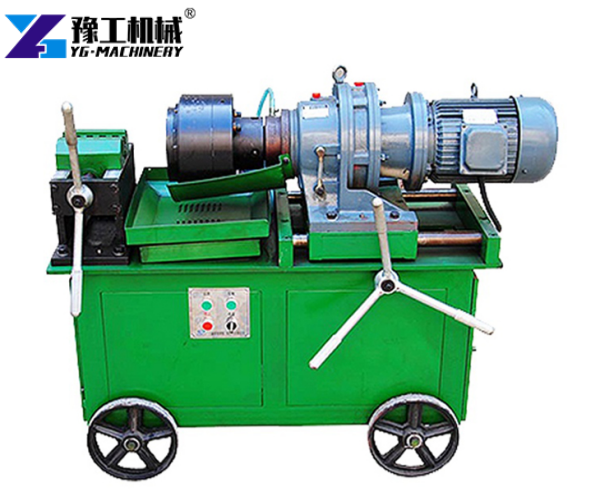
Model selection should begin with the workpiece drawing rather than motor power alone. Confirm three points before requesting a quotation.
Workpiece dimensions: Check the outside diameter, thread length, pitch, and profile. All specified dimensions must fall within the machine’s processing range.
Production requirements: Spindle speed, feeding method, and cycle time affect output. Estimate the required daily quantity before choosing a configuration.
Tooling and technical service: Choose a thread rolling machine manufacturer that can confirm die compatibility, material requirements, and testing arrangements. Ask whether the supplier can process sample workpieces before shipment.
For coupler production, a rebar threading machine may suit the application when its capacity matches the specified rebar and thread dimensions. A CNC thread rolling machine may fit automated production lines, but buyers should verify the control system, feeding arrangement, and available functions before ordering.
Automatic Thread Rolling Machine Operation and Maintenance
Before each shift, inspect the hydraulic oil level, electrical connections, roller surfaces, and working area. Keep each workpiece aligned with the roller axis and follow the specified pressure settings.
After replacing the dies, test the machine on sample workpieces and inspect the finished threads. Avoid increasing pressure without checking the material, tooling, and machine limits.
Roller and Hydraulic System Care
- Inspect rollers for worn profiles, cracks, or chipped edges.
- Check hydraulic hoses, seals, and connections for leakage.
- Monitor oil temperature and inspect the cooling system during operation.
- Clean or replace filters and change hydraulic oil according to the machine manual.
- Record die usage and thread measurements to identify wear before it affects batch quality.
Maintenance intervals depend on operating hours and working conditions. Follow the manufacturer’s instructions for oil changes and component replacement.
YG28 Series Manufacturing and Service
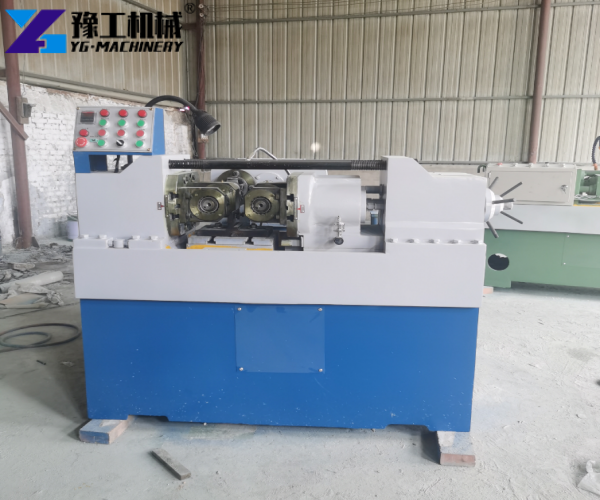
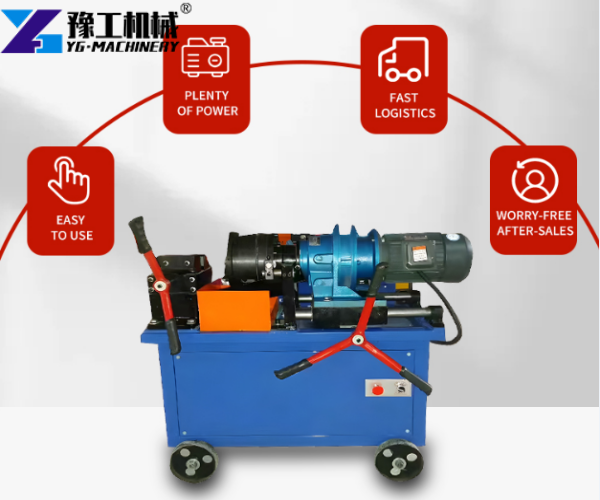
YG has over 20 years of machinery manufacturing experience. The YG28 series covers rolling diameters from 5 mm to 80 mm across five configurations. Buyers can discuss custom rollers and dies for specified thread profiles and workpiece dimensions.
When planning a production line, provide workpiece drawings, material specifications, thread dimensions, and expected output. These details allow the team to assess model suitability and identify tooling requirements for your application.
Other available equipment includes the rebar straightening and cutting machine, mobile stone crusher plant , and hydraulic wall saw.
FAQ
How do I judge machine quality before purchasing?
Check frame construction, hydraulic components, roller specifications, and processing accuracy. Request a test using workpieces that match your material and thread requirements.
What affects the price of a hydraulic thread rolling machine?
Rolling force, diameter range, motor configuration, tooling, automation, and electrical requirements affect the quotation. Confirm whether the price includes dies, packaging, freight, and commissioning assistance.
How long does delivery take?
Standard models may require 15–30 days, while custom tooling or electrical modifications may extend the schedule. Confirm the actual lead time before ordering.
What does after-sales service include?
Confirm whether the supplier provides installation guidance, operator instructions, spare parts, and warranty coverage. Check the terms for hydraulic components and rollers separately.
Can the machine process non-standard threads?
Custom threads may require specially designed rollers. Provide workpiece drawings, material details, thread dimensions, and tolerance requirements so the supplier can assess feasibility.