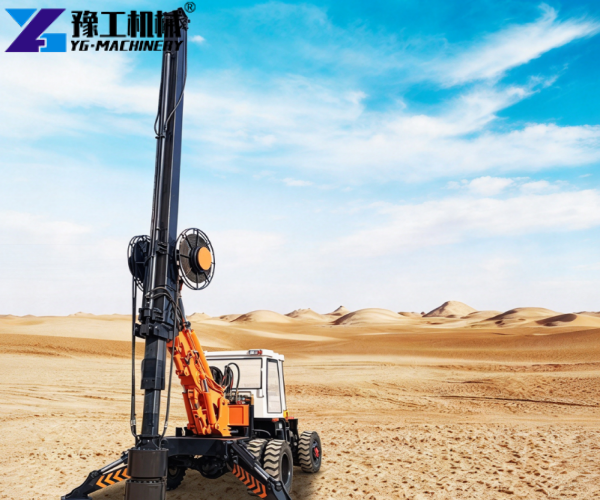
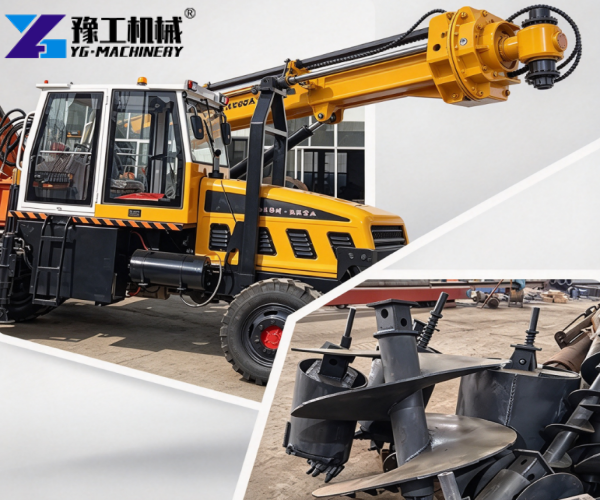
A hydraulic rotary drilling rig uses hydraulic power and rotary motion to form pile holes for foundation construction. It suits building foundations, bridge foundations, municipal works, and selected tunnel projects. The equipment combines an engine, hydraulic system, rotary drive, drill rod, drill frame, and control system for pile drilling operations.
Hydraulic Rotary Drilling Rig Parameters
| Item | Specification |
| Dimensions (mm) | 790022603110 |
| Vehicle mass (kg) | 8000 |
| Wheelbase (mm) | 3150 |
| Track width (mm) | Front 1400, Rear 1060 |
| Drilling depth (m) | 13 |
| Drilling diameter (mm) | 600-1600 |
| Rotation angle | 180 degree |
| Walking speed (km/h) | 50 |
| Gear pump model | CBJT2080 |
| Hydraulic system working pressure (Mpa) | 20-25 |
| Hydraulic system displacement (ml/r) | 80 |
| Engine model | 4108 |
| Engine power (kW) | 88 |
How the Hydraulic Rotary Drilling Machine Works
The hydraulic rotary drilling machine transfers engine power through the hydraulic system to the rotary drive and lifting mechanism. Meanwhile, the gear pump moves hydraulic oil through the circuit, while control valves regulate oil flow and pressure.
During drilling, the rotary drive turns the drill rod and drilling tool. As the tool enters the ground, its cutting edges break and remove soil or other materials. The lifting mechanism then controls drill rod movement during each drilling cycle.
Drilling tools must match the ground conditions:
- Clay and backfill: A rotary bucket usually works for loose and cohesive materials.
- Gravel: A wear-resistant drilling bucket or casing may suit the formation.
- Weathered rock: A rock auger or core barrel handles harder layers. Lower the rotation speed when necessary.
In addition, the drill frame keeps the drilling assembly in position during operation. From the control system, the operator manages rotation, lifting, and drilling movement.
Rotary Pile Drilling Equipment Applications
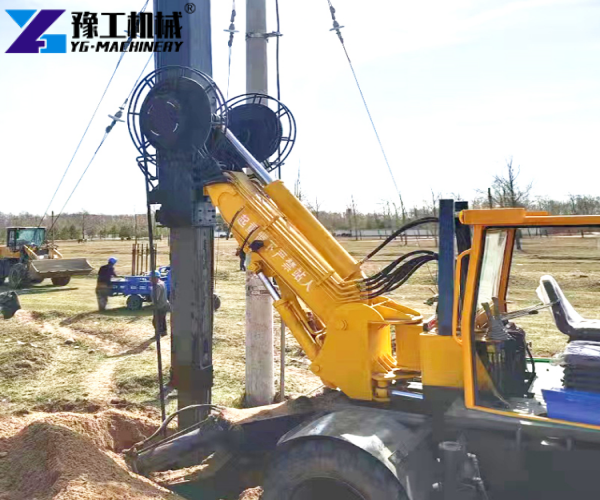
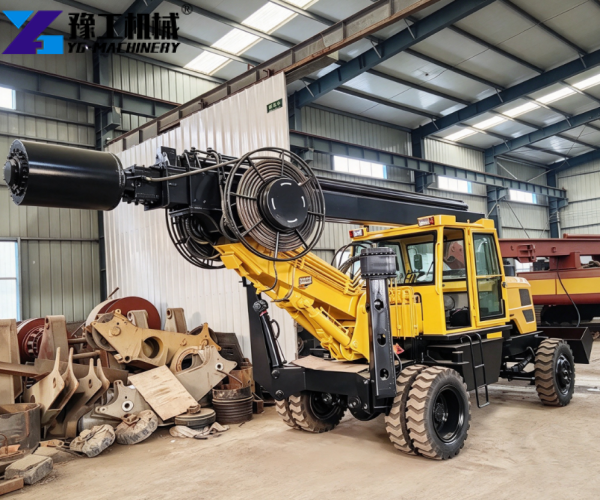
Rotary pile drilling equipment mainly serves projects that require bored pile foundations. This rig fits bored piles of 600–1600 mm diameter and up to 13 m depth. However, it is not a large-diameter deep rock rig. If the pile is 18 m deep or 2000 mm wide, choose a larger model.
Typical applications include:
- Building foundations: Pile holes for residential, commercial, and industrial structures.
- Bridge foundations: Drilling work for bridge piers and supporting structures.
- Municipal construction: Foundation work for selected infrastructure projects.
- Tunnel-related works: Drilling for supporting or foundation structures around tunnel projects.
Before choosing the drilling method, check four things:
- Pile diameter
- Pile depth
- Groundwater level
- Soil, gravel, or weathered rock layers
Therefore, these factors determine the drilling tool and whether casing is needed.
How to Select Deep Pile Drilling Equipment
Start with three numbers: pile diameter, pile depth, and formation. For example, 800 mm piles to 13 m in gravel need a different tool setup from 1500 mm piles in clay. As a result, price alone cannot confirm the configuration.
Match the Pile Size
If the drawings call for 600–1600 mm piles up to 13 m, this model covers the range. However, if the project needs 18 m depth or 2000 mm diameter, this configuration is too small.
Match the Tool to the Formation
Ground conditions directly affect tool selection:
- Clay or backfill: Rotary bucket
- Gravel: Wear-resistant bucket or casing
- Weathered rock: Rock auger or core barrel
In practice, the geological report gives YG engineers the information needed to match the tool with the actual formation.
Check Site Access
Before transportation, check the following:
- Entrance width
- Turning radius
- Overhead clearance
- Available drilling space
- Loading and unloading area
The machine width is 2260 mm. Therefore, the transport route needs sufficient clearance for safe movement.
Match the Workload
Pile quantity and construction deadlines also affect the equipment plan. For example, 30 piles in 60 days may require a different work arrangement from 120 piles in 45 days.
For a larger workload, check daily output, drilling tool wear, spare parts, and maintenance arrangements. In addition, provide the pile count and construction deadline before ordering.
Foundation Drilling Equipment Requirements Before Ordering
Clear foundation drilling equipment requirements make the quotation process more accurate. Before contacting a supplier, prepare these details:
- Pile diameter and depth
- Geological report or soil description
- Groundwater level
- Number of piles
- Construction deadline
- Site entrance and working area
- Transportation conditions
- Required drilling tools
- Project location
For example, a project with 800 mm piles, 10 m depth, clay soil, and 30 piles needs a different tool arrangement from a project with 1500 mm piles, gravel, and a tight construction deadline. Therefore, detailed project information gives YG engineers a clear basis for checking the configuration.
YG Drilling Equipment for Different Projects
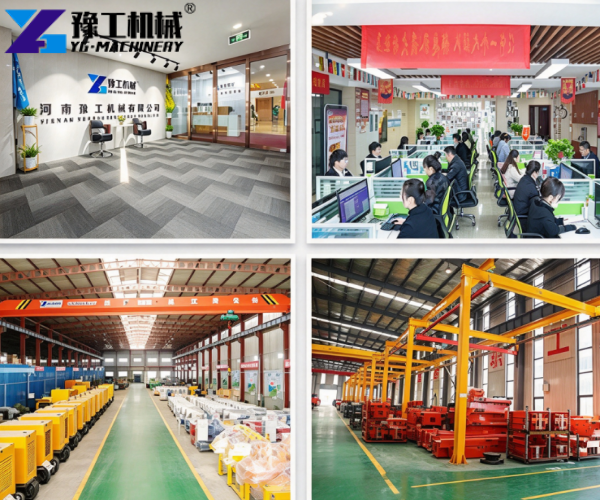
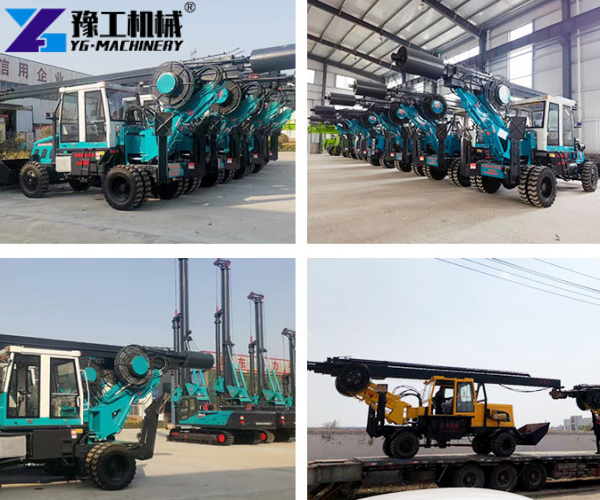
YG Machinery supplies drilling equipment for foundation construction, geological exploration, and water well projects.
For geological investigation and rock sampling, customers can ask about the core drilling rig for geological exploration and rock sampling. Meanwhile, the mini water drilling machine provides an option for smaller water drilling work.
For water well projects that require crawler mobility, YG also supplies the crawler water well drilling rig. In addition, projects that require pneumatic drilling can consider the pneumatic water well drilling rig.
Send your project details to YG Machinery, including pile requirements, geological conditions, workload, and site information. Our engineers can check the suitable equipment and prepare a quotation within 24 hours.
FAQ
How often does a rotary drilling rig need maintenance?
For normal foundation work, check hydraulic oil, filters, hoses, and drilling connections every 250 hours or according to the manufacturer’s manual. In gravel or rock, inspect drilling tool wear and hydraulic hoses more often. Meanwhile, check oil levels, leaks, and connections before each shift.
What should I inspect before starting daily work?
Before operation, check the hydraulic oil level, engine oil, hoses, connections, drilling tools, control system, and visible structural components. Also, remove loose material around the working area before starting the machine.
Can the rig work continuously throughout the day?
The rig can work through scheduled construction shifts when operators follow the recommended operating and maintenance procedures. However, allow time for routine inspections, tool changes, and maintenance during long projects.