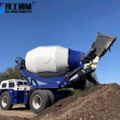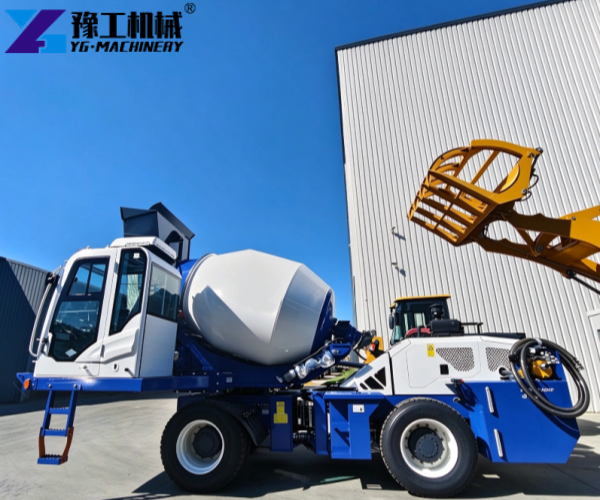
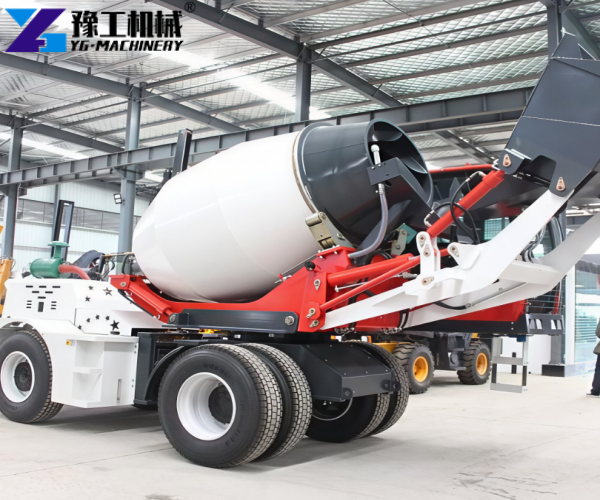
The self loading concrete mixer price is depending on mixing capacity, engine power, chassis design, hydraulic components, and optional features. A 3 m³ machine usually costs less than a 5 m³ model because the two sizes differ in load capacity and component requirements. However, the final quotation also depends on the selected configuration and delivery terms. YG Machinery supplies self-loading concrete mixers for building construction, road projects, and infrastructure works. This guide covers machine specifications, price factors, model selection, and operating costs to help buyers plan their purchases.
3 m³ and 5 m³ Self Loading Concrete Mixer Specifications
| Technical Parameter | 3 m³ Model | 5 m³ Model |
|---|---|---|
| Rated mixing capacity | 3 m³ | 5 m³ |
| Rated loading capacity | Approx. 4.5 m³ | Approx. 7.5 m³ |
| Discharge time | Approx. 5–8 minutes | Approx. 7–10 minutes |
| Engine power | Approx. 95 kW | Approx. 120 kW |
| Machine weight | Approx. 7.5 tonnes | Approx. 11 tonnes |
| Maximum travel speed | Approx. 25 km/h | Approx. 22 km/h |
| Drive system | Four-wheel drive | Four-wheel drive |
| Discharge method | Rotating drum with a rotatable discharge outlet | Rotating drum with a rotatable discharge outlet |
| Main applications | Rural housing, small buildings, and municipal repairs | Road construction, building foundations, and infrastructure works |
Factors That Affect Self Loading Concrete Mixer Price
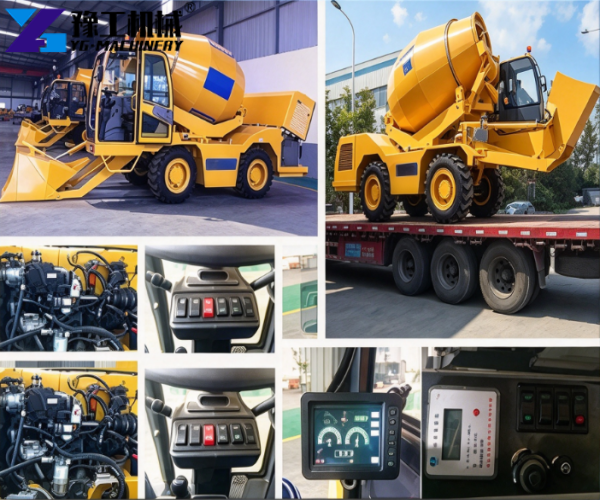
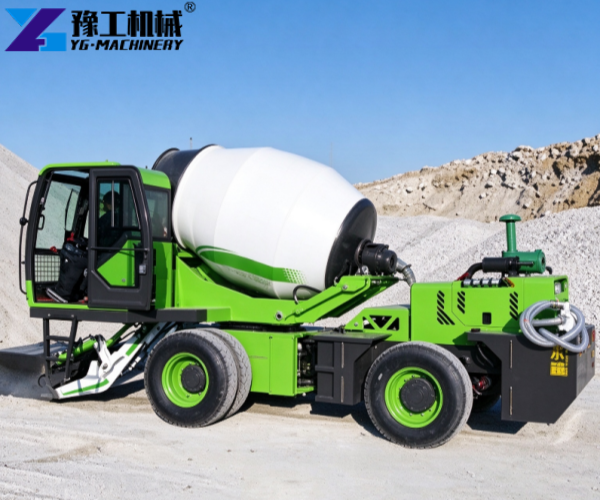
The self loading concrete mixer price varies with the machine’s size and configuration. Core components, optional equipment, and delivery arrangements also affect the final quotation.
Mixing Capacity and Core Components
A 3 m³ machine generally has a smaller mixing drum and lower material-handling requirements than a 5 m³ model. The larger machine may require a more powerful engine, a heavier chassis, stronger axles, and a mixing system designed for greater loads. These differences affect manufacturing costs.
Other components also influence the price:
- Engine: Engine brand, rated power, and emission requirements affect the purchase cost.
- Chassis and axles: Structural design and load capacity influence the machine’s configuration.
- Tires: Tire size and tread design affect cost and performance on different surfaces.
- Cabin: Air conditioning and other cabin features may increase the quotation.
- Mixing drum: Drum capacity, structure, and discharge design affect manufacturing costs.
Machines with the same rated capacity may therefore carry different prices.
Automation and Hydraulic Configuration
An automatic self loading concrete mixer combines material loading, mixing, transport, and discharge in one machine. Some configurations also include automatic water supply, electronic weighing, and digital displays.
These additional systems affect the purchase price. Hydraulic pumps, motors, and control valves also vary by brand and specification. Buyers who need basic operation may not require every optional feature. Projects with strict batching requirements may benefit from more advanced weighing and control systems.
Factory Direct Supply and Purchasing Costs
A self loading concrete mixer factory can provide direct information about machine specifications, component brands, and customization options. Direct communication also makes it easier to confirm which accessories and spare parts the order includes.
The purchase channel affects the quotation, but the lowest initial price does not always mean the lowest total cost. Buyers should account for the machine configuration, shipping arrangements, warranty terms, and parts availability when evaluating supplier offers.
For bulk orders, production schedules and the consistency of machine configurations also matter. A clear supply agreement reduces the risk of receiving machines with different specifications under the same order.
Warranty and Spare Parts
Warranty coverage and spare parts availability affect maintenance costs throughout the machine’s service life. Engine parts, hydraulic components, tires, and wear parts may require replacement during regular operation.
Overseas buyers should also account for international parts delivery, local repair services, and technical documentation. A longer parts delivery period can interrupt work when a critical component fails. Confirming the warranty scope and parts supply arrangements before purchase makes maintenance planning more straightforward.
Choosing a Self Loading Concrete Mixer for Different Projects
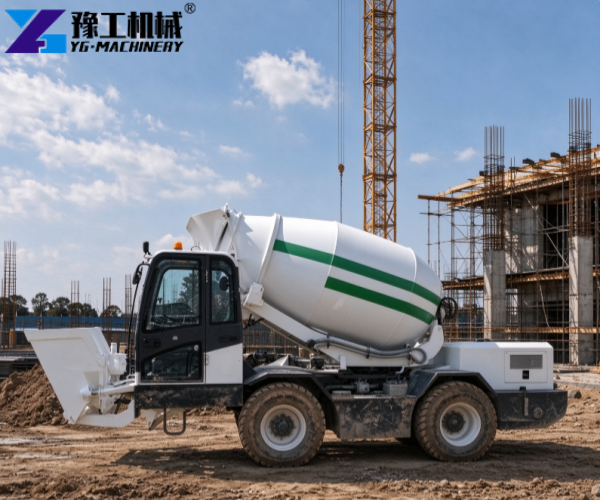
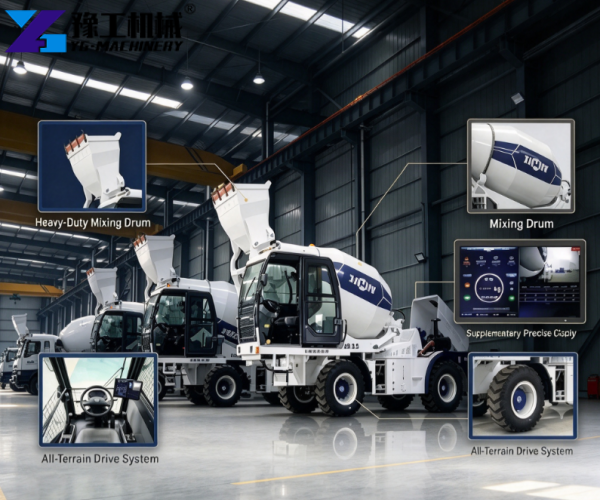
The required mixing capacity depends on daily concrete demand, site access, and the distance between loading, mixing, and discharge points.
- Rural housing and small construction: A 3 m³ model suits foundations, residential buildings, yard paving, and small road repairs. Its dimensions and turning radius also matter when the site has narrow access roads.
- Road construction and infrastructure works: A 5 m³ model handles larger batches for road paving, building foundations, and bridge-related construction. The daily workload should justify its greater capacity.
- Uneven or unpaved sites: Four-wheel drive can improve traction on loose or uneven ground. However, slopes, mud, ground clearance, tire design, and machine weight all affect mobility. Buyers should confirm the manufacturer’s stated climbing capacity before using the machine on steep terrain.
- Projects with long transport distances: Longer travel times reduce the number of batches a machine can deliver during a shift. The distance between the mixing area and discharge point should therefore form part of the capacity decision.
Daily concrete demand also matters. A larger machine may reduce the number of batches, but it can add unnecessary purchase and operating costs when the project requires only small quantities. The selected capacity should match the actual pouring schedule.
Operating Costs and Return on Investment
The financial value of a self-loading concrete mixer depends on how often the machine works and how much concrete the project requires. Its combined loading, mixing, transport, and discharge functions can reduce the need for separate equipment at some sites. Actual savings depend on local labor rates, material supply, and operating conditions.
Several costs deserve attention when preparing a budget.
- Labor: Calculate operator wages and any additional staffing costs. The machine’s operating procedures and work schedule affect the required labor.
- Fuel: Estimate diesel consumption from engine power, workload, travel distance, and daily operating hours. Actual consumption varies with site conditions and operating practices.
- Maintenance: Include routine servicing, hydraulic oil, engine oil, tire replacement, and wear parts in the annual budget.
- Equipment utilization: Estimate the number of working days each month. Frequent use across multiple projects can spread the purchase cost over a larger volume of concrete.
- Concrete supply: Compare the machine’s operating costs with the cost of purchasing ready-mixed concrete. Transport distance and delivery charges can affect this calculation.
- Shipping and import costs: Overseas purchases may involve freight, insurance, destination port charges, customs clearance, and local transport.
A practical return-on-investment estimate should use the expected concrete output and actual local costs. Buyers can then estimate the time needed to recover the initial investment. A single payback period does not apply to every project because workload and operating expenses vary.
Self Loading Concrete Mixer Supply from YG Machinery
YG Machinery supplies self-loading concrete mixers in different capacity ranges for construction and infrastructure projects. The final configuration depends on the required mixing capacity, power system, site conditions, and optional equipment.
Before confirming an order, buyers should clarify the following details:
- Machine model: Confirm the rated mixing capacity, engine power, machine weight, and overall dimensions.
- Component configuration: Specify the engine brand, hydraulic components, tires, cabin features, and control systems.
- Included equipment: Identify standard accessories, optional parts, and any spare parts included in the order.
- Delivery arrangements: Confirm the production schedule, packaging, shipping costs, and destination.
- Warranty and technical support: Clarify the warranty period, spare parts arrangements, and available maintenance guidance.
For overseas projects, the destination country’s engine emission rules, road regulations, and import requirements may also affect the final configuration and cost.
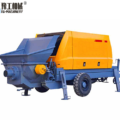
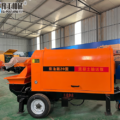
In addition to self-loading concrete mixers, YG Machinery supplies concrete pumps, mortar spraying machine. Buyers can provide their target capacity, project location, and required configuration to obtain a quotation based on the intended application and delivery conditions.
Frequently Asked Questions
How do I choose between a 3 m³ and a 5 m³ self loading concrete mixer?
A 3 m³ model suits small projects with lower daily concrete demand. A 5 m³ model handles larger batches for road construction, foundations, and infrastructure works.
Is a self loading concrete mixer difficult to operate?
The machine combines loading, mixing, transport, and discharge. Operators need training in machine controls, hydraulic systems, and site safety before use.
How should I maintain a self loading concrete mixer?
Follow the manufacturer’s maintenance schedule. Inspect engine oil, hydraulic oil, tires, and hydraulic lines regularly. Clean the mixing drum after each shift to prevent hardened concrete buildup.
Can a self loading concrete mixer work on rough terrain?
Four-wheel drive can improve traction on uneven ground. Actual performance depends on ground conditions, tire specifications, machine weight, and the manufacturer’s stated climbing capacity.