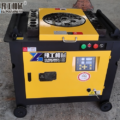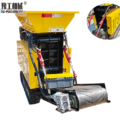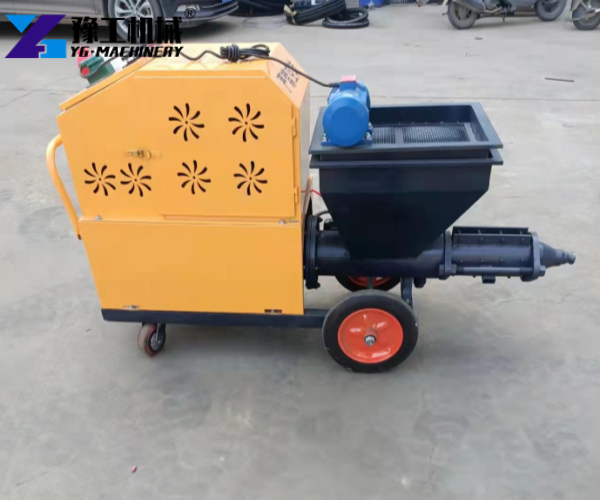
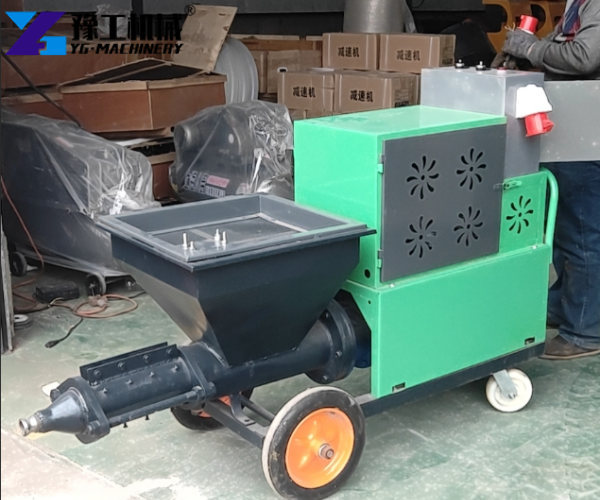
Russia’s cold climate makes efficient indoor construction especially important during long winter periods. For a Russian construction contractor, mortar spraying equipment offered a more practical way to handle cement-sand mortar during an 8,000 m² interior wall renovation project. Residential renovation work often involves large wall areas, while hotel rooms and shopping-centre corridors require steady plastering across many separate sections.
The project covered several areas inside a residential building, including corridors and common spaces. Manual plastering had made material handling slow, particularly when workers needed to move mortar between the mixing area and different floors. YG discussed the site layout, mortar composition, conveying distance, and power supply with the project team before supplying the YG 318.
Mortar Spraying Equipment Technical Parameters
| Item | Specification |
| Model | YG 318 |
| Delivery Capacity | 3m³/h |
| Max Pressure | 3MPa |
| Applicable Material Ratio (Water : Cement : Sand) | 0.7—1:1:3 |
| Voltage | 380V |
| Main Motor Power | 7.5kW |
| Max Passable Particle Size | ≤8mm |
| Conveying Distance | Horizontal 50m, Vertical 30m |
| Hopper Volume | 80L |
| Air Compressor Displacement | 0.3m³/min |
| Inner Diameter of Conveying Pipe | 32mm |
| Total Machine Weight | 320kg |
Cement Mortar Spraying Machine for 8,000 m² Interior Walls
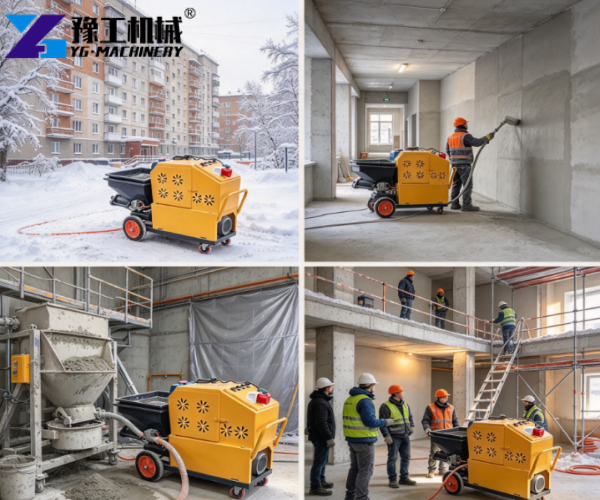
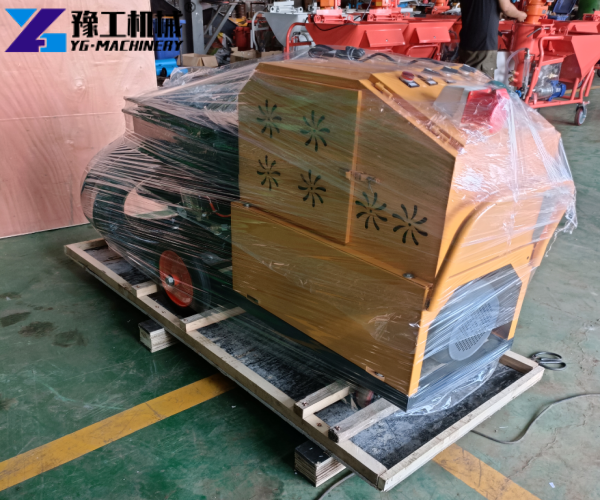
The renovation covered approximately 8,000 m² of interior wall surfaces. Most of the work involved residential areas, with additional plastering in hotel-style interiors and shopping-centre corridors. Narrow passages and different floor layouts made manual mortar transport inconvenient.
The contractor planned to complete the work within 15 days and set a daily target of around 300–400 m². YG 318 became part of the material conveying and spraying process, while workers continued to level and finish sprayed mortar manually.
A typical work cycle included:
- preparing cement-sand mortar near the designated mixing area;
- checking mortar consistency before feeding;
- conveying mortar through the 32 mm pipe;
- spraying the required wall sections;
- levelling and finishing the surface;
- cleaning the conveying system after work.
Using a cement mortar spraying machine reduced repeated bucket transport between the mixing area and active plastering zones. Workers could spend more time on spraying and surface finishing rather than carrying mortar.
Wall Plaster Spraying Machine for Different Areas
Working conditions changed from one part of the project to another. Open residential walls allowed relatively straightforward pipe routing, while hotel interiors and shopping-centre corridors provided less working space.
The crew adjusted the position of the wall plaster spraying machine according to each area. Workers also changed the pipe route when moving between rooms, corridors, and other restricted sections.
Mortar Plastering Machine Adjustment and Customer Feedback
The project required some adjustment during actual operation. Ivan, the project manager, noticed slower mortar conveying during the early stage when the mix became too thick. Instead of simply increasing machine pressure, the crew checked the mortar consistency and reviewed the water-cement ratio.
Workers adjusted the water content within the applicable range and tested the mix again. They also shortened cleaning intervals during longer working periods and checked the conveying hose regularly for material buildup or blockage.
After these changes, mortar flow became more stable.
Ivan commented:
“The mortar was a little too thick at first, so conveying was slower. We adjusted the mix and cleaned the hose more often. After that, the spraying work became much smoother.”
The feedback reflects a normal adjustment during construction rather than a completely problem-free operation. Mortar consistency, sand condition, hose cleanliness, and site temperature can all affect conveying performance.
With a more suitable mix and regular hose inspection, the crew maintained an output of roughly 300–400 m² per day when site preparation and finishing work progressed as planned. Some corridor sections required more manual finishing, so daily output varied between different areas.
Choose a Mortar Spray Machine for Your Project
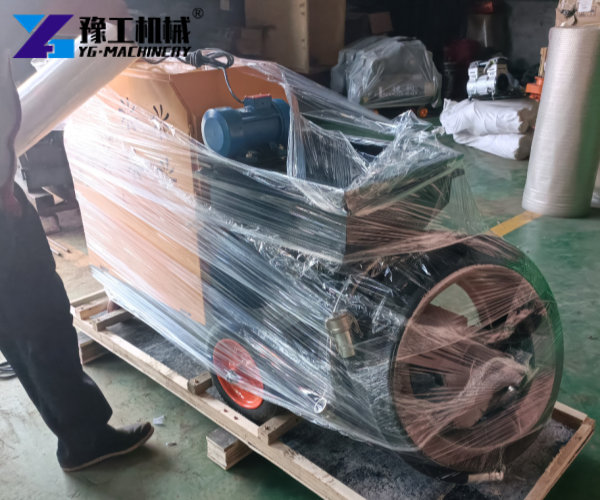
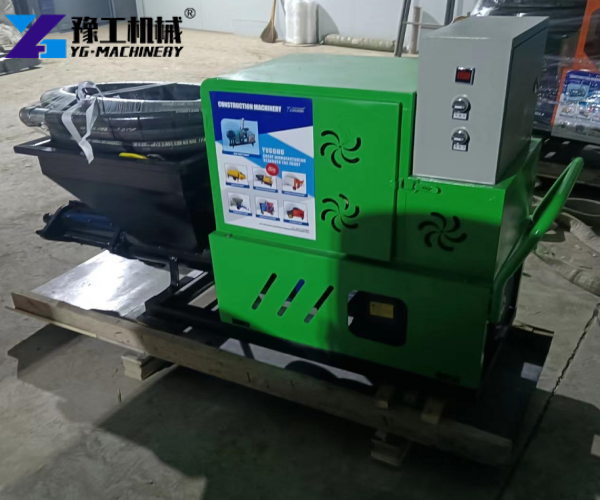
YG reviews actual working conditions before recommending a machine. Mortar type, mix ratio, required output, conveying distance, available voltage, building layout, and working environment all affect model selection.
For residential renovation, hotel interiors, shopping-centre corridors, or similar wall plastering projects, provide YG with your total wall area, planned working period, expected daily output, mortar composition, and conveying distance. Our engineers can recommend suitable mortar spraying equipment and provide guidance on material preparation, hose inspection, cleaning intervals, and daily operation.