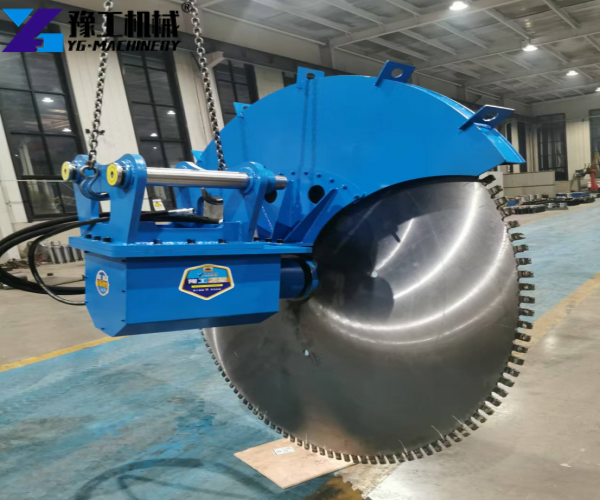
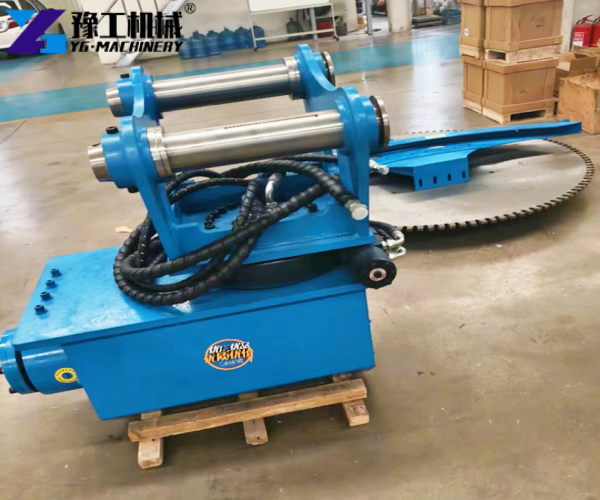
An Excavator Rock Saw Attachment uses a diamond-tipped rotating blade to cut rock, concrete, and other hard materials on site. Utility, quarry, and road contractors use this excavator-mounted saw for precision trenching, rock wall cutting, and concrete demolition. Excavator hydraulic power drives the blade, while boom and arm movements guide each cut. Unlike impact breaking, diamond sawing creates a defined cutting line and helps limit overbreak near existing pipes, pavement, and structures. The YG-CF series covers excavators from 2 to 30 tons, with four models for different cutting depths and site conditions.
Excavator Rock Saw Specifications
| Model | YG-CF1 | YG-CF2 | YG-CF3 | YG-CF4 |
| Suitable for excavators | 2–4T | 6–9T | 10–18T | 20–30T |
| Saw Disc Diameter | 0.4–0.8M | 1.2–1.6M | 1.8–2.2M | 2–2.8M |
| Cutting width | 5mm | 9mm | 14mm | 20mm |
| Cutting depth | ≤400mm | ≤800mm | ≤1100mm | ≤1400mm |
| Pressure | 30MPa | 30MPa | 30MPa | 30MPa |
| Flow | 30L/min | 80L/min | 120L/min | 190L/min |
How Does a Hydraulic Rock Saw for Excavator Work?
A hydraulic rock saw for excavator converts hydraulic energy into rotary blade movement. Oil from the excavator’s auxiliary circuit drives the motor, which turns the disc. Diamond segments grind through rock or concrete as the operator follows the planned cutting line.
During operation:
- Hydraulic oil drives the saw motor.
- Diamond segments cut a narrow kerf through hard material.
- The operator guides the blade with excavator boom and arm movements.
A hydraulic breaker fractures material through impact. A rock saw follows a defined path, which suits jobs that require straight trench edges or separation cuts beside existing structures.
For deeper cuts, operators can work through successive passes instead of forcing the blade into rock. Steady feed, suitable blade segments, and stable carrier positioning help maintain cutting control.
Applications of Excavator Rock Saw Attachments
Rock Trenching for Utility Lines
Utility contractors cut bedrock for water pipes, drainage, electrical cables, and communication lines. Parallel cuts establish trench boundaries before crews remove material between them.
A rock trenching saw suits narrow utility corridors where overbreak could damage existing underground services. Before cutting, crews need to locate buried utilities and mark the excavation line.
Quarry and Rock Wall Cutting
An excavator mounted rock saw cuts stone blocks and creates separation lines in rock faces. Larger discs reach deeper into material, making them useful for quarry preparation and rock wall work.
Rock hardness, blade segment suitability, and required cut depth affect operating progress. On uneven faces, stable excavator positioning and a clearly marked cutting line matter.
Concrete Demolition
An excavator concrete cutting saw cuts slabs, foundations, retaining structures, and concrete channels. Crews can establish boundaries around sections before removing them with lifting equipment or breakers.
For reinforced concrete, blade selection must suit the material and reinforcement. Contractors also need to plan how they will remove cut sections and manage debris.
Road Construction and Pavement Cutting
Road crews cut concrete pavement and hard surfaces during repairs, widening, and drainage work. Straight cuts define damaged sections and prepare edges for removal.
This approach suits localized repairs where crews want to keep cutting within marked boundaries and limit disturbance to adjacent pavement.
Key Features and Practical Selection Tips Of Excavator Rock Saw Attachments
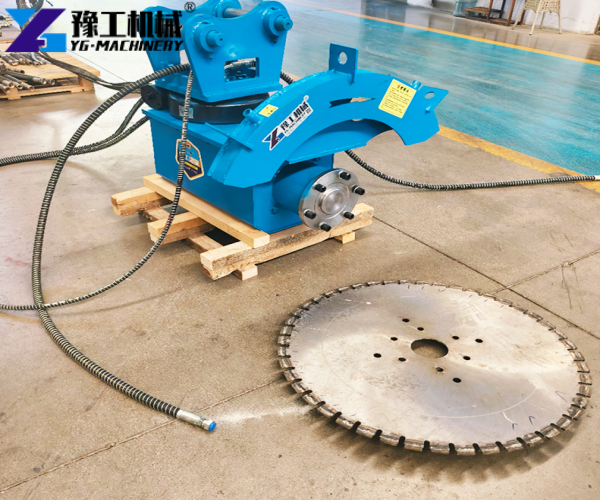
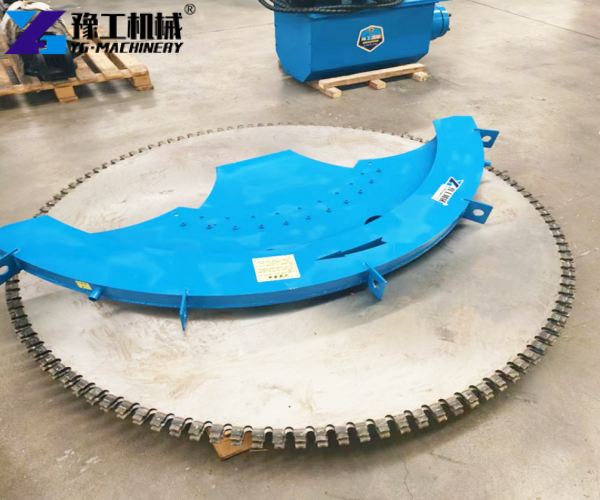
Disc Diameter and Cutting Depth
Disc diameter determines blade reach. Smaller discs suit shallow cuts and compact carriers; larger discs support deeper rock cutting.
Choose based on required cutting depth rather than disc diameter alone. The listed maximum depth represents a model specification, not a guarantee that every rock type will cut at the same speed.
Cutting Width and Trench Planning
The YG-CF series lists cutting widths from 5 to 20 mm. A narrow kerf reduces material removed along each blade path, but it does not represent the finished trench width.
For utility work, plan the distance between parallel cuts and allow room for pipe installation, bedding, and excavation.
Hydraulic and Mounting Compatibility
Before ordering, check:
- Excavator auxiliary flow and operating pressure.
- Carrier weight and attachment mounting dimensions.
- Required cutting depth and available working reach.
- Blade suitability for rock type or concrete reinforcement.
Do not assume every quick hitch or bracket fits. Request mounting dimensions and confirm compatibility with your excavator before shipment.
Blade Condition and Site Practice
Inspect diamond segments, hydraulic hoses, connections, and mounting points before work. Worn or damaged segments affect cutting quality. Keep personnel clear of the rotating blade and follow the attachment manufacturer’s operating and maintenance instructions.
Avoid forcing the blade into hard material. If cutting progress changes sharply, stop and inspect the blade and working conditions before continuing.
FAQ
What materials can an excavator rock saw cut?
An excavator rock saw cuts natural rock, concrete, and other hard construction materials. Contractors use it for trenching, quarry work, pavement cutting, and structural demolition. Blade selection must suit material hardness and reinforcement.
What size excavator do I need for a rock saw?
YG-CF1 suits 2–4 ton excavators, YG-CF2 suits 6–9 ton machines, YG-CF3 suits 10–18 ton machines, and YG-CF4 suits 20–30 ton machines. Check hydraulic output and mounting compatibility as well as carrier weight.
Can an excavator rock saw cut reinforced concrete?
A diamond rock saw can cut reinforced concrete when crews select suitable blade segments and operating conditions. Reinforcement, concrete strength, and cutting depth affect the work. Confirm blade suitability before starting.
What is the difference between an excavator rock saw and a hydraulic breaker?
A rock saw uses a rotating diamond blade to create defined cuts. A hydraulic breaker uses impact to fracture rock or concrete. Contractors choose a saw for controlled cutting lines and a breaker for breaking material into removable pieces.
What should I check before buying a rock saw?
Check excavator tonnage, auxiliary hydraulic flow, pressure, mounting dimensions, required cutting depth, and material type. Provide these details when requesting a model recommendation.
YG Machinery Excavator Rock Saw Attachment For Sale
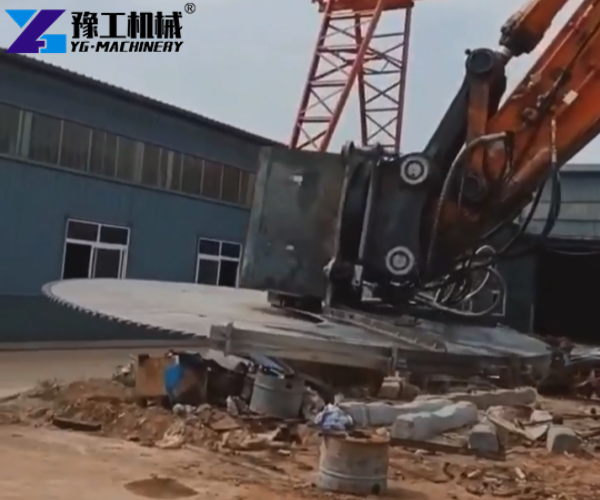
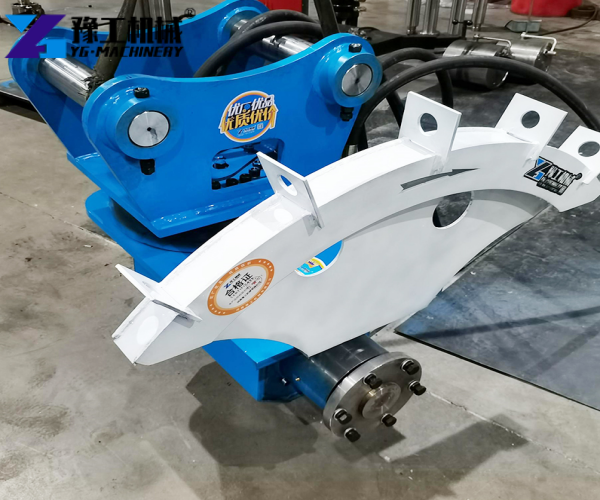
YG Machinery offers excavator mounted rock saw attachments for sale through its YG-CF series. Contractors can request technical specifications, mounting dimensions, and hydraulic compatibility information to match a saw with their excavator and job requirements. Contact the sales team with carrier model, hydraulic flow, pressure, and planned cutting depth to discuss a suitable unit and request a quotation.
For related construction and demolition work, YG Machinery also offers a concrete shot blasting machine for concrete surface preparation, a hydraulic breaker attachment for impact-based rock and concrete breaking, and excavator hydraulic shears for cutting scrap metal and structural steel.