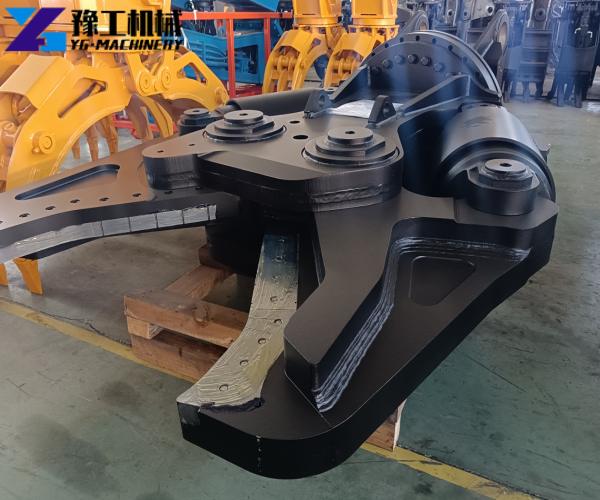
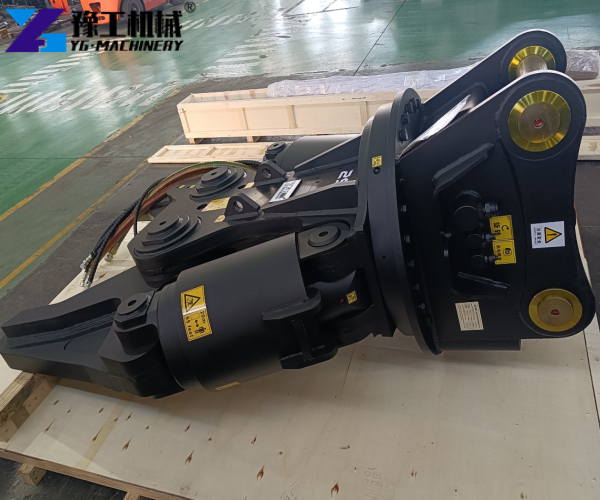
Excavator hydraulic shears cut scrap steel, structural members, and metal components during demolition and recycling work. An excavator supplies hydraulic power to close the shear jaws and cut through metal. Contractors use these attachments at scrap yards, demolition sites, and industrial facilities. YG offers five models for excavators from 5 to 50 tons. Jaw size, shear force, and attachment weight differ across the range, so buyers can match a model to the material and machine on site.
Excavator Hydraulic Shears Specifications
| Item | YG-620 | YG-1413 | YG-2200 | YG-2977 | YG-4052 |
| Weight (kg) | 620 | 1413 | 2200 | 2977 | 4052 |
| Max. Open Size (mm) | 334.4 | 540 | 500 | 660 | 801 |
| Width (mm) | 864 | 1175 | 1370 | 1600 | 1700 |
| Height (mm) | 1521 | 2050 | 2380 | 2600 | 2700 |
| Effective Shear Depth (mm) | 286 | 348 | 486 | 578 | 736 |
| Rotating Way | 360° Collision | 360° Hydraulic | 360° Hydraulic | 360° Hydraulic | 360° Hydraulic |
| Working Pressure (Bar) | 235 | 300 | 320 | 320 | 320 |
| Bottom Shear Force (T) | 81.2 | 138.2 | 171.2 | 330.2 | 387.2 |
| Medium Shear Force (T) | 50.2 | 80.2 | 100.2 | 189.2 | 218.2 |
| Tip Shear Force (T) | 32.2 | 53.2 | 75.2 | 127.2 | 147.2 |
| Applied Excavator Weight (T) | 5-9 | 10-19 | 20-25 | 28-35 | 38-50 |
How Does a Rotating Excavator Metal Shear Work?
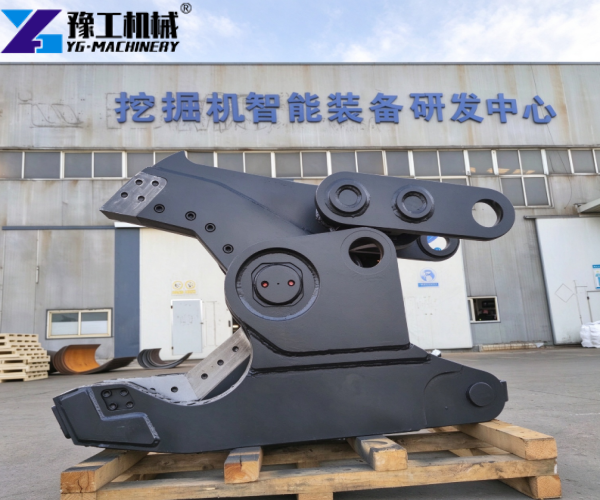
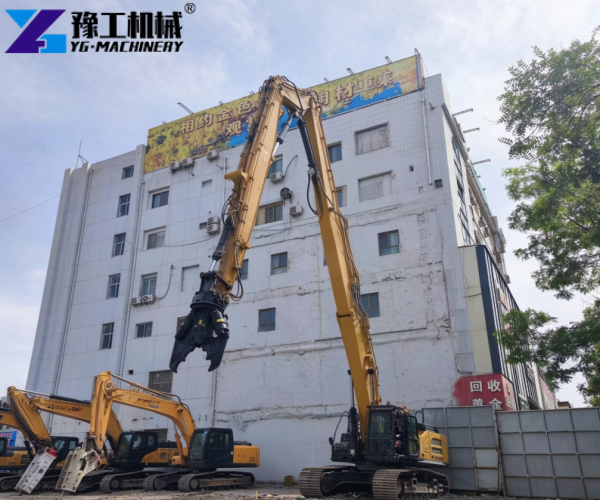
A rotating excavator metal shear combines a cutting jaw with a rotation mechanism. The excavator’s hydraulic system drives the jaw. On models with hydraulic rotation, the operator turns the attachment to line up the blades with a beam, pipe, or other steel section. This adjustment reduces the need to reposition the entire excavator for every cut.
The jaw opening determines how much material enters the shear. Effective shear depth describes the cutting area. Shear force also changes along the blade, so operators need to position each section within the jaw and stay within the model’s capacity.
YG-1413, YG-2200, YG-2977, and YG-4052 use 360° hydraulic rotation according to the supplied specifications. The YG-620 lists 360° collision rotation. Buyers should request the corresponding rotation mechanism details when reviewing this model.
Applications of Excavator Metal Shears
Scrap Yards and Metal Recycling
Scrap yards handle mixed steel sections, old machinery parts, pipes, and structural offcuts. An excavator metal shear cuts bulky pieces into sections that workers can sort and load. Jaw opening matters when the yard processes large beams or thick components. The material’s grade and cross-section also affect cutting capacity.
For recycling contractors, blade wear and service access matter alongside cutting force. Regular blade inspections help identify edge damage before it disrupts work. Buyers should ask about replacement blades, service procedures, and the parts required for routine maintenance.
Structural Demolition
Steel-framed buildings contain beams, columns, braces, and metal connections. An excavator demolition shear cuts exposed steel members during dismantling. The excavator arm reaches the target, while the shear separates sections for removal.
A larger jaw can accept wider members, but attachment weight also affects the excavator’s working range and stability. Contractors need to match the shear to both the steel sections and the excavator.
Industrial Dismantling
Plant removal and factory renovation often involve steel frames, equipment housings, and metal pipes. A shear cuts these components into manageable sections for removal. In restricted work areas, attachment width and height affect access. The excavator also needs enough clearance to position and turn the jaw.
Key Benefits of YG Hydraulic Demolition Shears
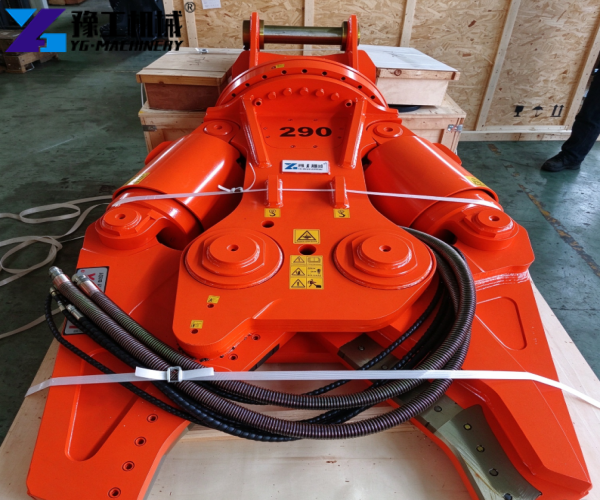
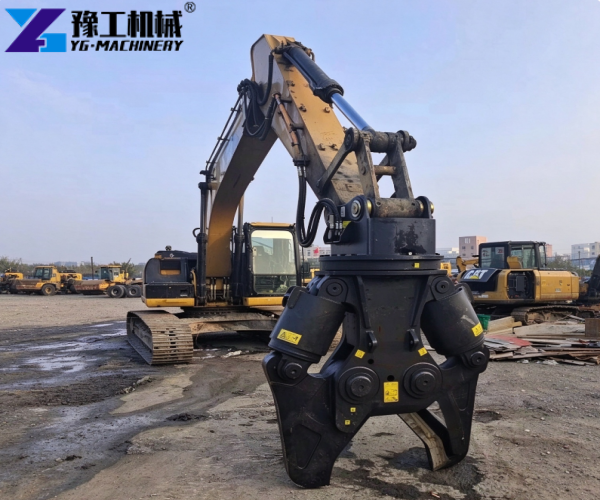
For demolition and recycling crews, output matters—but so do fuel use, maintenance time, and unexpected stoppages. The attachment needs to work with the excavator already on site.
Rotational positioning: Hydraulic rotation on applicable models lets operators align the jaw with steel members without repeatedly moving the excavator.
Model range: Five sizes cover excavators from 5 to 50 tons. Contractors can select an attachment weight and jaw size that match their machine and material.
Accessible wear-part planning: Blade condition affects cutting performance. Buyers should check blade replacement arrangements and maintenance access before ordering.
Hydraulic matching: Correct pressure and oil flow allow the excavator to operate the shear within its specified range. A mismatch can affect performance and place extra demand on the machine.
Fuel consumption depends on the excavator, hydraulic system, material, and operating method. A shear does not guarantee fuel savings on its own. Contractors can avoid unnecessary machine strain by selecting a compatible attachment and using it within its rated capacity.
How to Select the Right Hydraulic Shear for Your Excavator
| Excavator Weight | Model | Main Selection Point |
| 5–9 tons | YG-620 | Compact attachment for smaller metal sections |
| 10–19 tons | YG-1413 | 540 mm maximum opening |
| 20–25 tons | YG-2200 | 486 mm effective shear depth |
| 28–35 tons | YG-2977 | 660 mm maximum opening |
| 38–50 tons | YG-4052 | 801 mm maximum opening and 387.2 T bottom shear force |
Before ordering, check these points:
Hydraulic pressure and flow: Match the excavator’s hydraulic output to the shear’s requirements.
Attachment weight and mounting: Check the machine’s lifting capacity, balance, pin dimensions, and bracket.
Material size and strength: Compare steel dimensions with jaw opening, effective shear depth, and listed shear forces.
Blade service: Ask about blade material, hardness specifications, replacement parts, and maintenance procedures. These details affect wear-part planning and service costs.
Fuel and operating costs: Consider the excavator’s fuel consumption and the workload. Correct matching and steady operation matter more than an unsupported fuel-saving claim.
A 20-ton excavator, for example, falls within the listed range for YG-2200. The final selection still needs to account for hydraulic output, mounting dimensions, and the steel sections on site.
FAQ
What materials can Excavator Hydraulic Shears cut?
They handle scrap steel, rebar, steel sections, pipes, and metal components. Cutting capacity depends on material dimensions and strength. Check the jaw opening and shear force against the actual material.
Do hydraulic shears reduce fuel consumption?
Not automatically. Fuel use depends on the excavator, hydraulic demand, material, and work cycle. A properly matched attachment avoids unnecessary load, but buyers should assess fuel use with their own machine and operating conditions.
How often do shear blades need maintenance?
Blade service intervals depend on material, workload, and wear. Inspect the cutting edges and mounting points regularly. Ask the manufacturer for blade replacement guidance and the available wear parts.
Can YG hydraulic shears fit any excavator?
No. Each model has a specified excavator weight range. Buyers also need to check hydraulic pressure, oil flow, mounting dimensions, and machine stability.
Purchasing Excavator Hydraulic Shears From YG Machinery
For light demolition on a 5-ton excavator, the YG-620 offers a smaller attachment option. For heavy steel dismantling on larger machines, the YG-2977 and YG-4052 offer wider jaws and higher listed shear forces. YG Machinery’s five-model range covers excavators from 5 to 50 tons.
Contact YG Machinery with your excavator model, hydraulic specifications, and the steel sections you need to cut. These details help the team identify a model for your site and discuss blade service, mounting, and delivery.
Beyond demolition attachments, YG Machinery manufactures construction and demolition equipment, including:
Hydraulic Wall Saw for Sale — for precise concrete cutting.
Hydraulic Rock Splitter — for rock breaking and controlled demolition.
Mobile Stone Crusher Plant for Sale — for on-site processing of construction waste