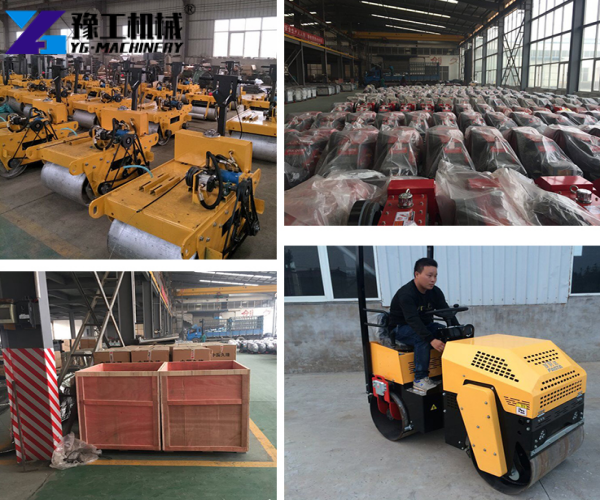
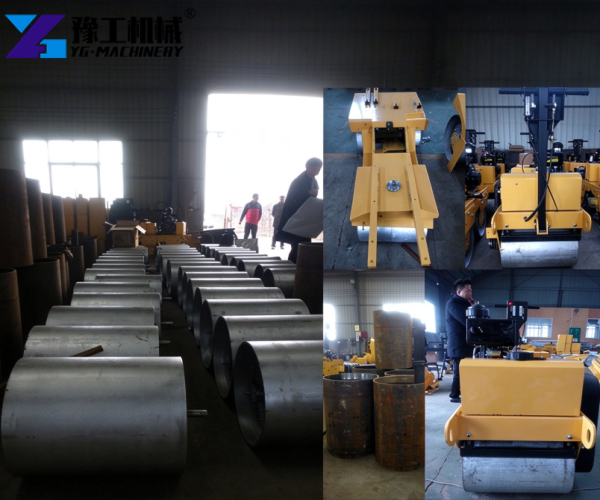
A mini road roller compacts asphalt, gravel, and suitable soil layers in confined construction areas. Road repair crews use compact rollers around sidewalks, residential streets, parking spaces, and utility trenches where larger machines have limited access. However, small dimensions alone do not determine performance. Drum configuration, operating weight, vibration force, and travel speed all affect how a roller performs on site.
Mini Road Roller Parameters
| Model | YG-600S | YG-600D | YG-850 | YG-880 |
| Type | Walk-behind | Walk-behind | Ride-on | Ride-on |
| Drum number | 1 | 2 | 2 | 2 |
| Engine power | 5.5Hp | 6.0Hp | 6.0Hp | 25Hp |
| Walking speed | 2.4km/h | 0-4km/h | 0-4km/h | 0-5km/h |
| Walking type | Two-side | Two-side | Two-side | Two-side |
| Drive Type | Hydraulic | Hydraulic | Diesel | Hydraulic |
| Drum size | 426*600 | 426*600 | 580*700 | 800*850 |
| Vibrate force | 15KN | 25KN | 35KN | 50KN |
| Climbing ability | 25% | 30% | 30% | 30% |
| Weight | 330kg | 550kg | 750kg | 1000KG |
Key Features of Small Road Roller
Compact Size for Restricted Work Areas
A compact road roller fits jobs where working space limits equipment movement. Around manholes, drainage channels, and sidewalk edges, a large roller may struggle to turn without crossing finished surfaces. A smaller machine can work closer to these boundaries, although the available clearance and surface width still determine whether it can pass safely.
Machine size also affects transport. The listed models weigh from 330 kg to 1,000 kg, so loading equipment and transport arrangements vary by model.
Vibration Force and Compaction Results
A mini vibratory roller uses vibration to improve compaction in suitable materials. The four listed models provide vibration forces from 15 kN to 50 kN, but this range does not mean the highest figure suits every job.
Thin asphalt patches require careful control because excessive vibration may disturb the surface. Gravel and soil present different compaction conditions, with moisture content and layer thickness influencing results. Vibration force, machine weight, and operating speed therefore need to work together.
Single-Drum and Double-Drum Designs
The YG-600S has one drum, while the YG-600D, YG-850, and YG-880 have two. A single drum road roller may suit selected soil preparation tasks, while a double drum road roller is commonly used for small asphalt paving and surface repairs.
Drum width also matters. The YG-600S and YG-600D list a drum size of 426 × 600 mm, while the YG-880 lists 800 × 850 mm. A wider drum covers more surface per pass, but narrow paths and tight corners may favor a smaller working width.
Drive Systems and Routine Inspection
The supplied specifications list hydraulic drive for the YG-600S, YG-600D, and YG-880, while the YG-850 uses a diesel drive system. Drive configuration, engine power, and travel controls affect machine operation and maintenance requirements.
Before work, inspect the drums, fasteners, engine oil, and hydraulic connections where applicable. Asphalt residue can accumulate on drum surfaces, while loose connections or fluid leaks may indicate a developing maintenance issue. Regular cleaning and scheduled servicing keep the machine ready for its next shift.
Applications of Small Road Roller
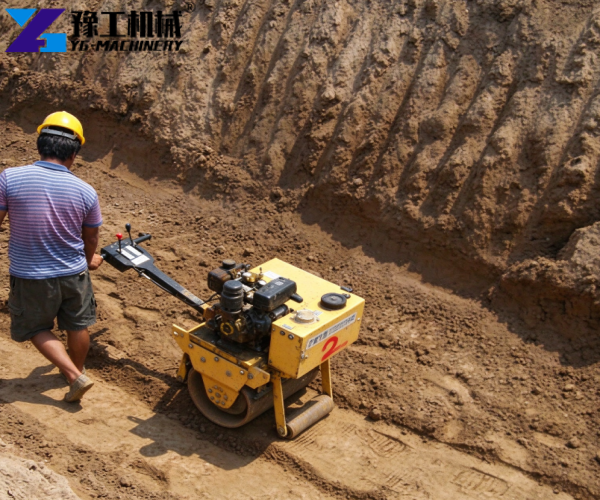
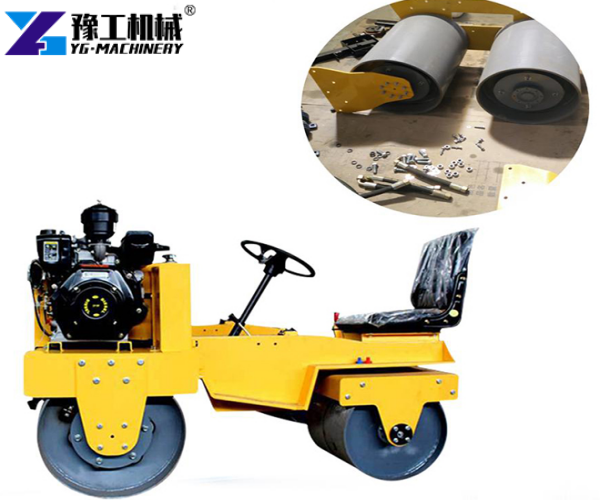
A small road roller handles localized compaction work across several construction settings.
- Asphalt patching: Compact repaired road sections and small paved areas where a large roller would be difficult to maneuver.
- Sidewalk construction: Work along pedestrian paths, curbs, and building entrances where the available width limits machine movement.
- Trench backfilling: Compact suitable backfill around drainage and utility installations. Narrow trenches may restrict drum access, so the working width matters.
- Gravel road maintenance: Compact suitable aggregate layers on rural roads, farm tracks, and private access routes.
- Parking areas: Work on small parking spaces, residential driveways, and internal factory roads.
- Landscaping projects: Compact suitable ground materials around outdoor paths and facilities with limited equipment access.
Each task presents different conditions. Asphalt work focuses on surface finish and temperature, while soil and aggregate compaction depend heavily on material properties and layer thickness. A roller cannot compensate for unsuitable material preparation or incorrect placement.
How to Select a Mini Road Roller
Match Drum Width and Operating Weight
A walk-behind roller offers a practical layout for localized work, while a ride-on machine suits operators covering wider surfaces. The YG-600S weighs 330 kg and delivers 15 kN of vibration force. The YG-600D weighs 550 kg and delivers 25 kN. The ride-on YG-850 and YG-880 provide 35 kN and 50 kN, respectively.
These differences provide a starting point for model selection. Actual suitability still depends on the material, site access, and required compaction result.
Check Site Conditions and Transport
Slopes, narrow entrances, and uneven ground affect machine access and operation. The listed gradeability ranges from 25% to 30%, but this rating alone does not establish safe performance on every surface. Ground traction and operating conditions remain important.
Transport planning also deserves attention. A 1,000 kg machine requires different loading arrangements from a 330 kg model. Confirming access width, unloading space, and transport capacity before delivery reduces avoidable site delays.
YG Mini Road Roller Manufacturer
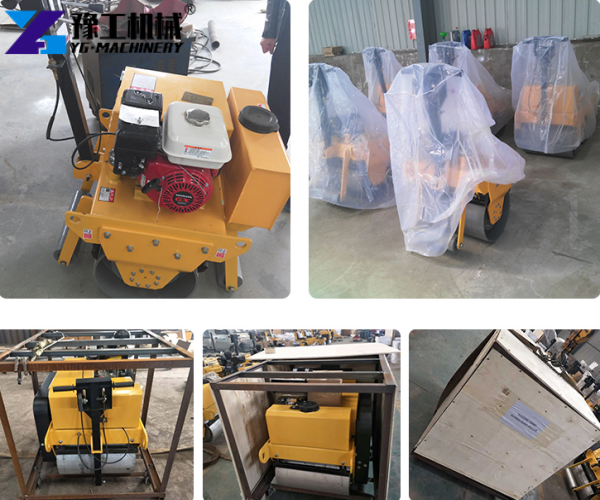
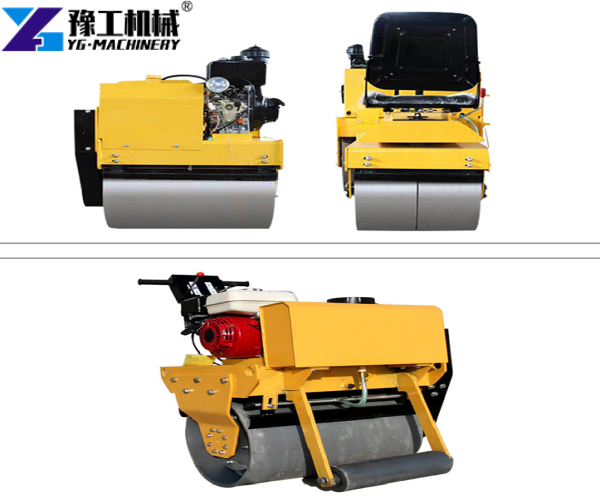
YG Machinery has over 20 years of experience in construction equipment manufacturing. Our mini vibratory rollers serve small-scale road construction and maintenance projects, with configurations for different working conditions.
Our product range also includes mobile concrete mixer, hydraulic wall saw, and mobile stone crusher plant. If you need any equipment, contact YG Machinery to discuss your project requirements. Our team can provide information on available configurations and help you identify a machine that matches your working conditions.
FAQ
What is the difference between single-drum and double-drum rollers?
Single-drum models suit selected soil preparation tasks, while double-drum models are commonly used for small asphalt paving and surface repairs. Material type, drum width, and required finish influence the choice.
Does a higher vibration force always provide better compaction?
No. Higher vibration force may suit certain materials, but layer thickness, moisture content, machine weight, and travel speed also affect the result. Excessive vibration can disturb thin asphalt layers.
Can a mini road roller operate on slopes?
The listed models have gradeability ratings of 25% or 30%. Actual performance depends on surface traction and site conditions, so operators must follow the manufacturer’s operating limits and safety instructions.
What maintenance does a mini roller require?
Routine checks include engine oil, hydraulic connections where applicable, fasteners, and drum condition. Cleaning after work and following the recommended service schedule also help reduce unexpected downtime.