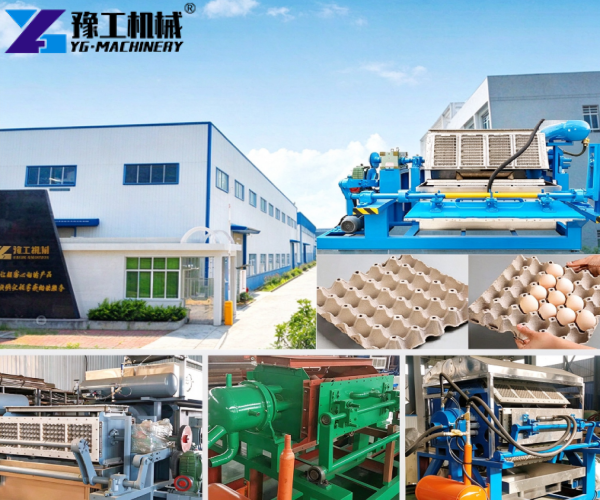
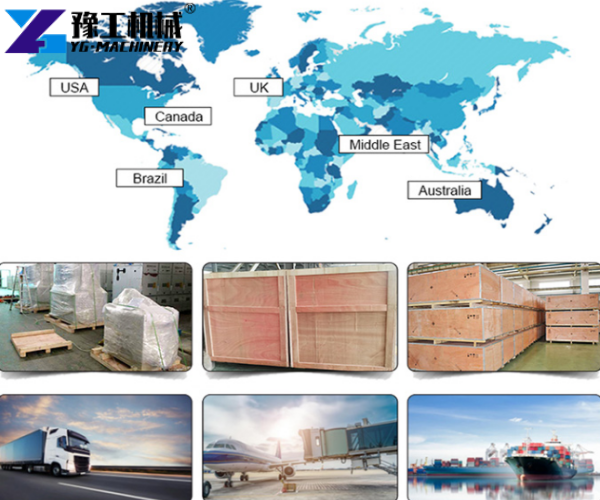
In Honduras, poultry farms and egg distributors need a steady supply of trays for daily collection and delivery. Eggs move from farms to local markets, wholesalers, and retail shops, so unsuitable packaging can increase breakage during handling. Imported trays also add freight costs and create supply problems for businesses that need packaging every day. Against this background, a small egg tray making machine gives a Honduras buyer a way to produce moulded pulp trays closer to its egg business.
Egg Packaging Needs in Honduras
Honduras has a large agricultural sector, and poultry businesses depend on practical packaging for routine egg distribution. Farms collect eggs every day, while distributors prepare different quantities for local customers.
Before purchasing the machine, the buyer faced several practical concerns:
- Imported trays increased packaging costs.
- Long-distance supply made replenishment less flexible.
- Manual packaging offered limited protection during transportation.
- Regular egg sales created continuous demand for trays.
Using pulp egg tray packaging gives farms a paper-based option for separating eggs during handling. For this project, local waste paper also provided a practical material source for production.
Egg Tray Production Line Selected for the Project
| Item | Value |
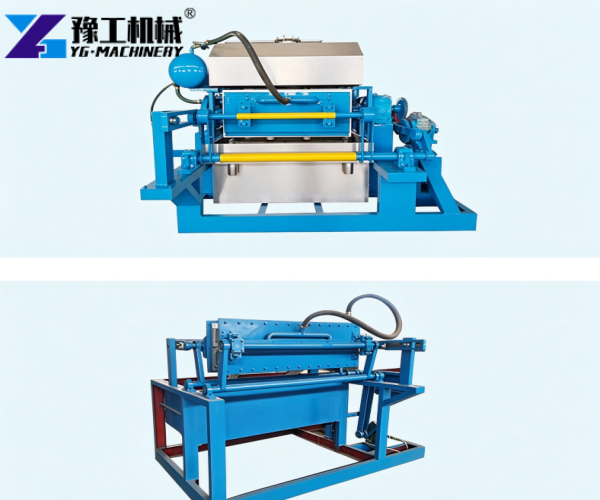
| Model | YG-5*8 |
| Capacity (pcs/h) | 5500 |
| Forming Mould Quantity | 40 |
| Total Power (kW) | 140 |
| Electricity Consumption | 98 kWh |
| Worker | 5–7 |
Paper Egg Tray Making Machine for Local Production
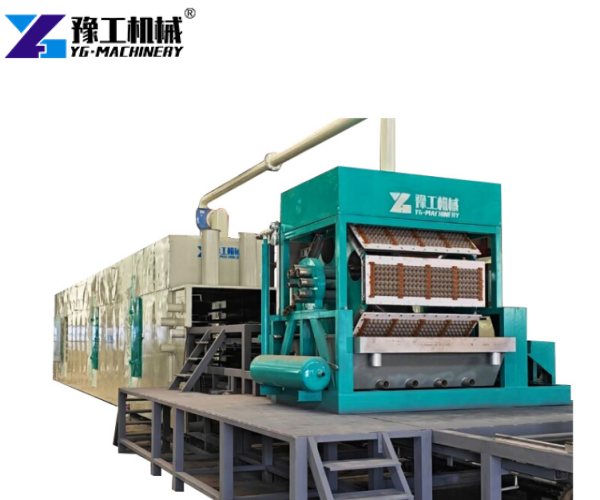
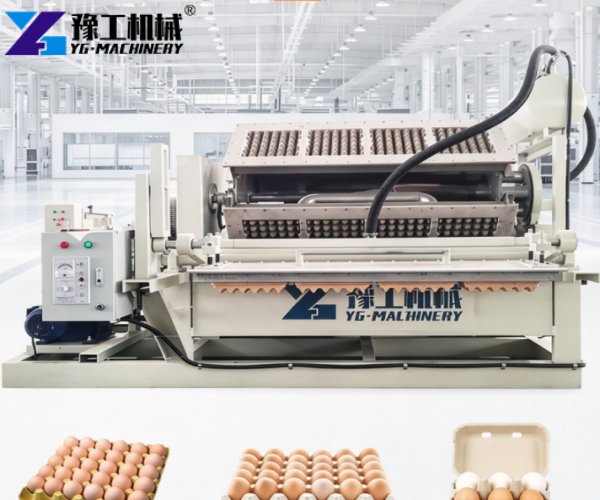
Waste paper serves as the main raw material for this project. Operators prepare the material into pulp before forming trays for egg packaging.
Finished moulded pulp egg trays measure about 300 × 300 mm and provide separate positions for individual eggs. This size suits common 30-egg tray applications used by farms and distributors.
Material preparation also requires attention to moisture. Pulp entering the forming stage normally contains around 60%–70% water, which allows the moulding system to form the required tray structure.
The buyer can therefore connect locally available waste paper with regular egg packaging demand without depending entirely on finished trays from outside suppliers.
Drying Arrangement for Honduras Conditions
Honduras has a warm climate, but humidity and rainfall vary across different areas. Drying conditions therefore affect production planning, especially during wetter periods.
For this project, the buyer uses a brick drying line. Workers arrange newly formed trays in the drying area, while airflow and local weather conditions influence drying time.
A suitable drying area needs enough room for:
- Tray placement
- Air circulation
- Worker movement
- Temporary storage before collection
This arrangement keeps drying separate from raw material preparation and finished-product storage.
Egg Tray Manufacturing Machine Installation
The buyer needs to prepare the workshop before equipment arrives. A working area of about 100–150 m² provides a reference for arranging machinery, material handling, drying, and finished trays.
Installation normally takes around 7–10 days after equipment arrives at the site. During this period, workers can complete equipment assembly, connection, adjustment, and initial testing with technical guidance from YG engineers.
Site preparation covers several practical points:
- Electrical connections
- Water supply
- Drainage
- Raw material storage
- Finished tray storage
- Equipment access routes
Good workshop organisation helps separate wet production areas from finished-product storage.
Application of Moulded Pulp Egg Trays
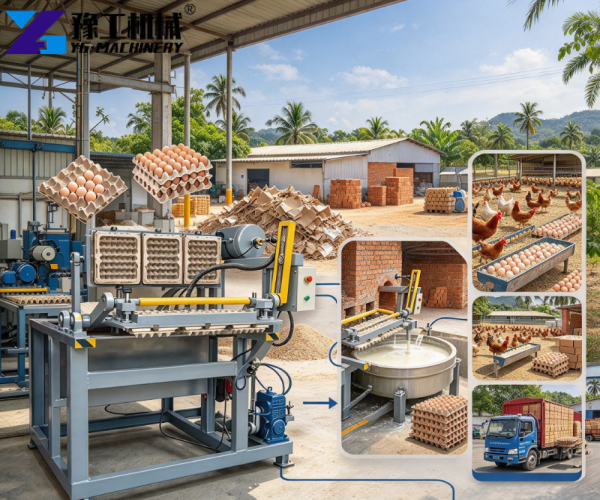
After production, trays enter the buyer’s regular egg handling process. Poultry farms can place collected eggs into individual tray positions before storage or transportation.
Distributors can also use trays when preparing orders for different customers. This creates a direct connection between the egg tray making machine and daily egg distribution.
The application remains focused on egg packaging rather than adding unrelated products. For this Honduras project, tray production serves the buyer’s existing poultry-related demand.
Technical Support After Egg Tray Machine Installation
Before this project, tray supply remained an external part of the buyer’s egg business. Now, waste paper enters a local production chain and comes out as finished packaging for collected eggs.
This change gives the buyer a more direct way to manage packaging demand:
- Egg collection and tray supply follow one production schedule.
- Waste paper gains a practical use within the local business.
- Finished trays no longer depend entirely on outside purchasing.
- Additional output can serve nearby poultry farms when demand allows.
For Honduras, where poultry businesses need packaging throughout the year, this production model links raw material availability with a regular market need. The buyer selected YG-5*8 for this purpose, turning a recurring packaging expense into an in-house production activity with a defined output scale.
If you plan to produce egg trays locally, YG can recommend a suitable configuration according to your required output, waste paper supply, workshop space, and local working conditions. Contact YG Machinery with your expected tray production and project details to discuss a suitable solution.