A log splitter can save hours of manual labor and make firewood production much more efficient. Whether you own an electric splitter for occasional home use or a heavy-duty hydraulic model for commercial work, safety should always come first.
Many first-time users assume that a log splitter is safer than an axe because the machine does most of the work. While that is partly true, the powerful force generated by hydraulic systems can still cause serious injuries if the machine is used incorrectly.
This guide covers the most important safety practices every beginner should understand before operating a wood splitter.
Log Splitter Safety – What to Wear
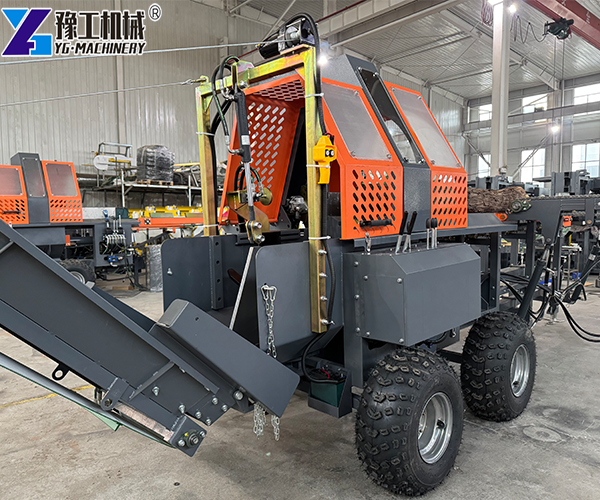
First thing first. You need the right gear. Do not skip this.
Safety glasses or goggles – Wood chips fly everywhere. A piece in your eye ruins your whole week. Wood splitter safety glasses are cheap. Your eyesight is not.
Log splitter safety gloves – Not thin gardening gloves. Get thick work gloves with good grip. You will handle rough wood. Splinters hurt.
Steel toe boots – A log rolls off the splitter. It lands on your foot. You want steel toes.
No loose clothes – No hoodie strings hanging down. No baggy sleeves. Tuck everything in. You do not want anything getting caught.
Long pants. Not shorts. You will thank me later.
Inspect Wood Splitter Before Use
Do not just turn it on and go. Check a few things first. This takes two minutes and saves a trip to the emergency room.
Check the splitting wedge – Look for cracks or damage. A worn wedge does not split cleanly. It gets stuck.
Check hydraulic fluid – Low fluid means weak splitting force. The machine struggles. That is when bad things happen.Most Wood Splitter Machine models use a hydraulic system that should be inspected before every operation to ensure stable splitting force.
Check bolts and connections – Machines shake. Bolts loosen. Give them a quick tighten.
Test the emergency stop – Every wood splitter has one. Push it. Make sure it works. You need to know where it is before something goes wrong.
Check the two-hand control – Most hydraulic log splitters require both hands on the levers to start the cycle. This is a safety feature. If yours starts with one hand, something is broken. Do not use it.
This is your inspect Log splitter before use routine. Do it every time.
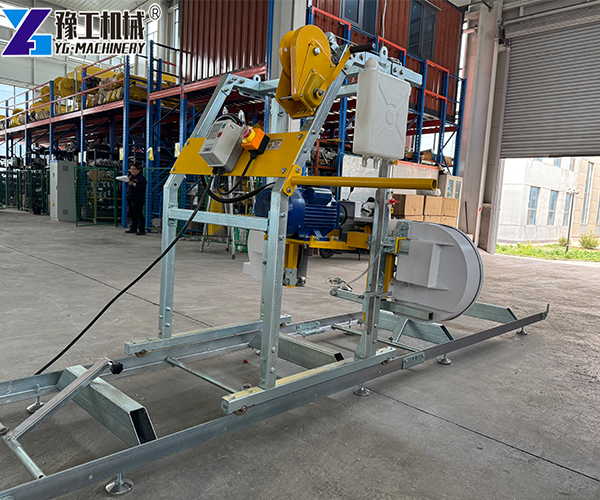
How to Position Logs on a Log Splitter?
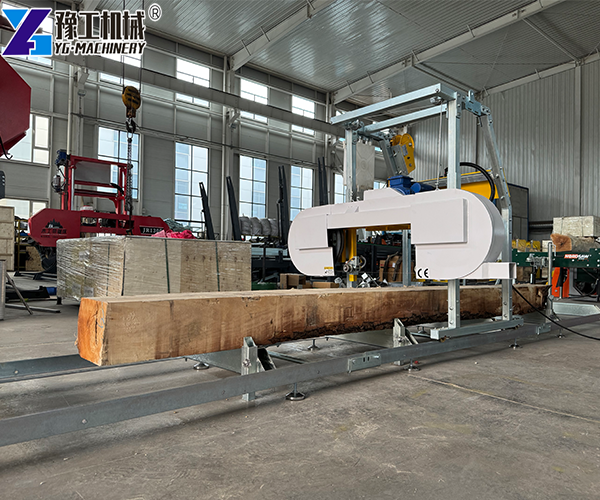
Wood placement is the most common mistake beginners make. Get this right and splitting is easy. Get it wrong and the log gets stuck or kicks back.
Place the log flat
Cut end down. Do not put a round log on its side. It rolls.
Center the log
The wedge needs to hit the middle of the log. If you are off to one side, the split goes crooked and gets stuck.
Do not let the log hang over
The whole log should sit on the beam. If part of it hangs off, it will tip when the wedge hits it.
Keep both ends on the rails
Some splitters have rails that support the log. Make sure both ends of the log are on them.
Proper log placement means the log does not move
Once it is positioned, it should stay put without you holding it. If it wobbles, reposition it.
If you are using a machine with an integrated cutting system, our Wood Cutter Splitter guide explains how feeding, cutting, and splitting work together.
Adjusting Splitting Wedge the Right Way
Many beginners do not know the wedge can be adjusted. But wedge adjustment makes a huge difference.
Height adjustment
Some logs are curvy or have knots. Lower the wedge for smaller logs. Raise it for big ones. The wedge should hit the log squarely, not at an angle.
Angle adjustment
Not all machines have this. But if yours does, set it straight. Angled wedges are for specific cuts only.
Multi-way wedge
Some splitters have 4-way or 6-way wedges. A 4-way splits the log into four pieces. A 6-way makes six pieces. Start with the standard wedge if you are new. Upgrade later.
Here is a tip. Start with smaller logs first. Learn how the machine feels. Then move to bigger ones.
Not sure which wedge is best? Read our How to Choose a Wood Splitter – 3 Key Parameters You Must Know to compare splitting force, cycle time, and wedge options.
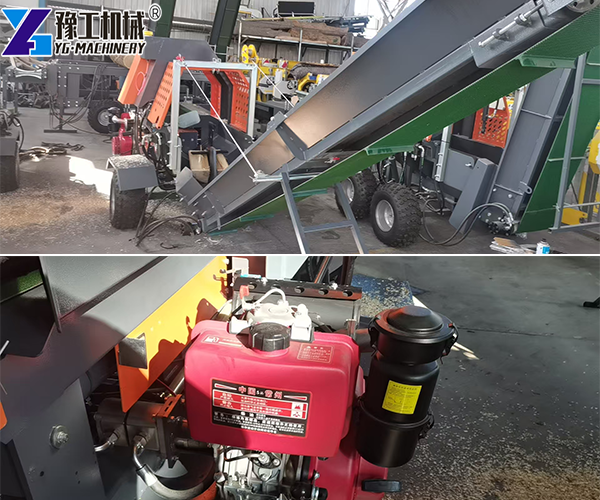
Operation Log Splitter Safety – How to Split Without Getting Hurt
Now the machine is ready. The log is in place. Here is how to run it safely.
Always use two-hand control – Both levers must be pushed at the same time. This keeps your hands away from the wedge. Never try to bypass this.
Keep your hands away from the wedge – This sounds obvious. But when a log gets stuck, your first thought is “let me just push it.” Do not. Use a stick or another log to reposition. Keep your hands away from wedge area at all times.
Watch for kickback – Sometimes a log shoots out sideways. This is called kickback. It happens when the log is not centered or has a weird shape. Stand to the side of the machine, not directly behind the wedge.
Do not split logs that are too big – Check your machine’s max splitting diameter. If the log is bigger than that, do not force it. Cut it down first or use a bigger splitter.
Do not split logs that are too long – Same rule. Max splitting length is usually around 24 inches. Longer logs can tip or bind.
Avoid kickback by taking it slow – Do not rush. Let the wedge do the work. Pushing faster does not split faster. It just increases risk.
Commercial operators using an Industrial Log Splitter for Sale should follow the same safety procedures, even when processing large volumes of firewood.
What to Do After Splitting?
You finished your pile. Good work. Now clean up.
Unplug or turn off the engine – Gasoline machines: turn off the fuel valve. Electric machines: unplug.
Clean off wood chips and dust – They build up on the beam and wedge. Use a brush or air hose.
Check for damage – Look at the wedge. Look at the hydraulic hoses. Look for leaks.
Store it in a dry place – Moisture rusts the wedge and damages the hydraulic system. Indoors is best. Under a tarp is okay for short term.
This after-use routine makes your wood splitter machine last for years.
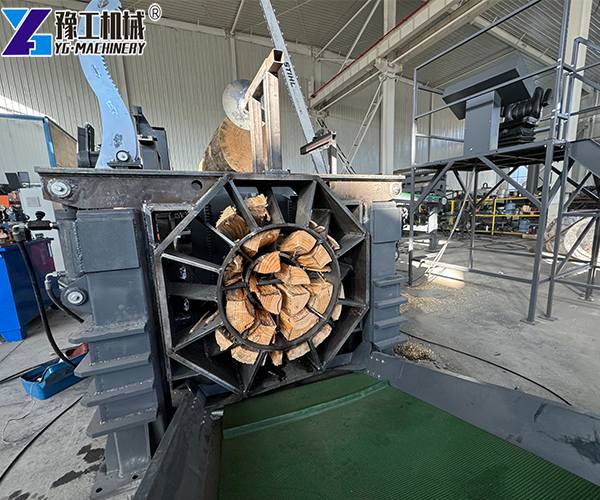
Common First-Time Mistakes to Avoid
Here are the top mistakes beginners make. Learn from them so you do not make them yourself.
Mistake 1: No safety gear – “I will just split a few logs.” That is when accidents happen. Wear the gear every time.
Mistake 2: Splitting wet or frozen logs – Wet wood is harder to split. Frozen wood can shatter. Dry logs only.
Mistake 3: Reaching across the machine – Always work from the side. Never put your body over the wedge.
Mistake 4: Ignoring weird sounds – If the pump sounds different or the wedge moves slowly, stop and check. Something is wrong.
Mistake 5: Letting others get too close – Kids and pets should be far away. So should anyone not operating the splitter.
Whether you operate a hydraulic unit or a Kinetic Wood Splitter for Sale , keeping your hands away from the splitting area is the most important safety rule.
Quick Safety Checklist for Every Use
Print this out. Stick it on your splitter. Review it every time.
| Step | Check |
| 1 | Safety glasses and gloves on |
| 2 | No loose clothes or hoodie strings |
| 3 | Wedge inspected, no cracks |
| 4 | Hydraulic fluid full |
| 5 | Bolts tight |
| 6 | Emergency stop works |
| 7 | Log is flat and centered |
| 8 | Hands away from wedge |
| 9 | Stand to the side |
| 10 | Clean up after |
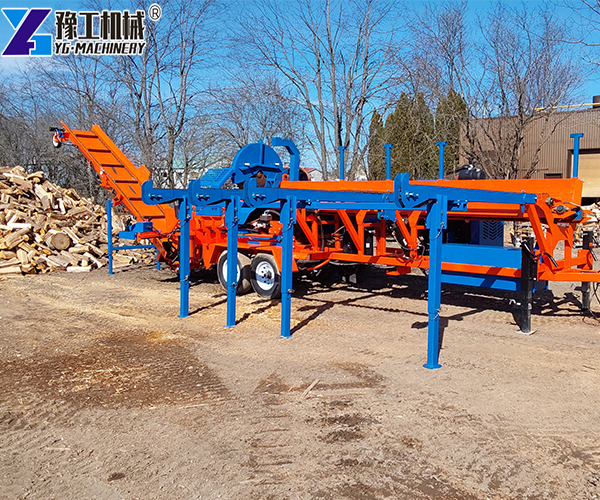
Final Word for First Time Users
A log splitter is one of the best tools for anyone who burns wood or sells firewood. But it demands respect. Follow these log splitter safety rules and you will split wood safely for years.
One more thing. Read your machine’s manual. Every model is a little different. Know your specific machine.
Still not sure about something? YG Machinery sells wood splitters for home, farm, and commercial use. We can answer your questions. Tell us what model you have or are looking at.
If you are still choosing between different models, compare our Wood Splitter Machine , Industrial Log Splitter , and Kinetic Wood Splitter to find the best solution for your firewood production.
Related Articles
- Wood Splitter Machine – Compare 15T and 20T hydraulic wood splitters.
- Wood Cutter Splitter – Learn how cutting and splitting are completed in one machine.
- Industrial Log Splitter for Sale – Heavy-duty log splitters for commercial firewood production.
- Kinetic Wood Splitter for Sale – Compare kinetic and hydraulic splitting technology.
- How to Choose a Wood Splitter – 3 Key Parameters You Must Know – Essential buying guide for first-time buyers.