A mobile crusher plant saves you from hauling rocks to a fixed site. But picking the wrong one causes problems. Too small, and you wait all day for crushed material. Too big, and you waste money.
Only three numbers matter when choosing a small mobile crusher: capacity, feed size, and output size. Get these right, and the machine works. Get them wrong, and nothing else fixes it.
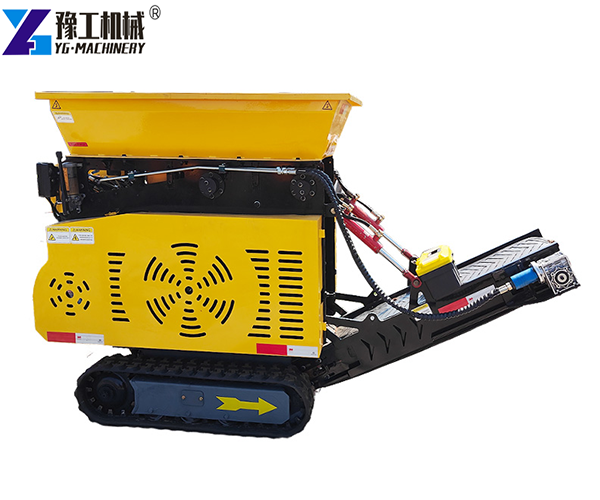
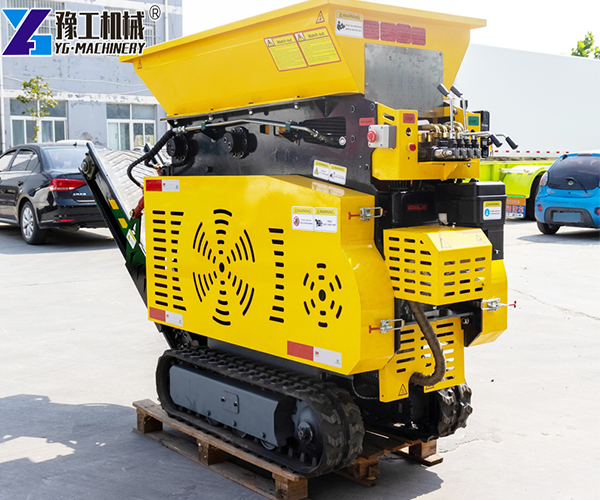
Capacity – How Many Tons Per Hour
Crusher capacity is the first number to check. It tells you how much material the machine processes each hour.
YG mobile stone crusher plants offer capacities from 50 to 180 tons per hour for stone crushing. For sand production, capacities range from 30 to 100 tons per hour.
Stone capacity (crushing rock, concrete, hard material):
| Model | Stone Capacity |
| 800×800 | 50 t/h |
| 800×1000 | 70 t/h |
| 1000×1200 | 80 t/h |
| 1200×1200 | 90 t/h |
| 1200×1500 | 120 t/h |
| 1400×1600 | 180 t/h |
Sand capacity (making fine material):
| Model | Sand Capacity |
| 800×800 | 30 t/h |
| 800×1000 | 45 t/h |
| 1000×1200 | 55 t/h |
| 1200×1200 | 65 t/h |
| 1200×1500 | 80 t/h |
| 1400×1600 | 100 t/h |
How to choose capacity:
Calculate how many tons you need per day. Divide by hours of operation. That is your required capacity. Add 20 percent buffer for tough material or operator breaks.
A 50 tph mobile crusher works for small demolition sites and concrete recycling. A 180 tph mobile crusher handles large quarry operations and major road projects.
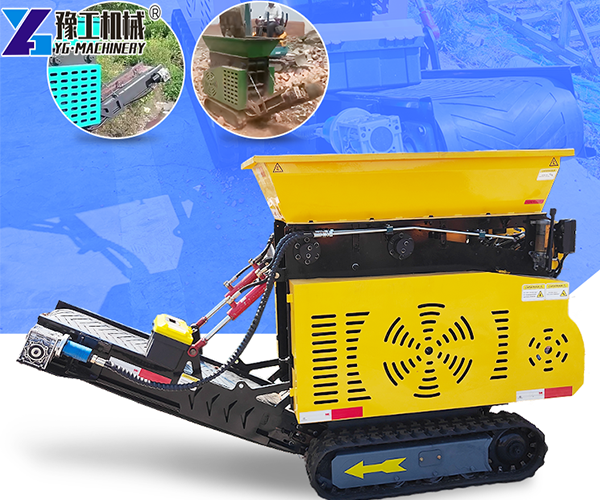
Feed Opening Size – What Fits in the Machine
Feed opening size determines the biggest rock the machine can take. Put in a rock too big, and it jams. Clear a jam, and you lose half a day.
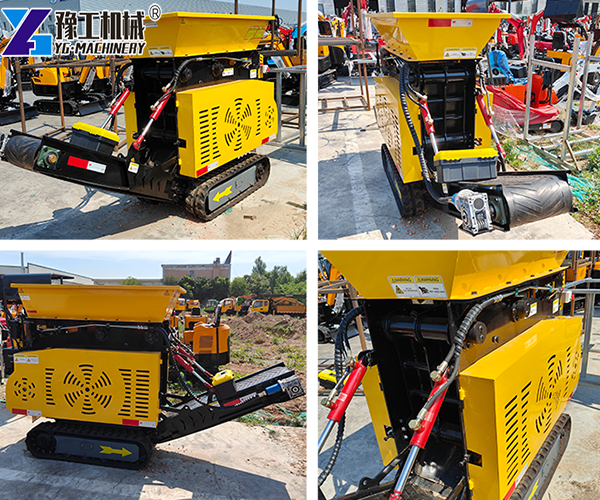
The mini mobile crusher has a feed inlet of 200×370mm. Maximum feed size is 200mm.
What fits:
- Concrete chunks up to 200mm
- River rocks up to 200mm
- Broken asphalt pieces
- Demolition waste
What does not fit without pre-processing:
- Boulders over 200mm
- Large foundation pieces
- Big demolition slabs
How to choose feed size:
Measure your material. If your average rock is smaller than 150mm, the standard feed opening works. If you have larger material, add a pre-screen or break it down first. Some mobile crushing plant models accept larger feed sizes. Check with the supplier.
Output Size – What Comes Out
Output size is the finished product. Different jobs need different sizes.
Common output sizes and their uses:
| Output Size | Use |
| 0-5 mm | Sand, fine fill, asphalt production |
| 5-10 mm | Small aggregate, drainage stone |
| 10-20 mm | Concrete aggregate, road base |
| 20-40 mm | Railway ballast, large fill |
The output aggregate size is adjustable. Change the screen deck or adjust the crusher settings. One machine produces multiple sizes.
How to choose output size:
Know what your project needs before you buy. A road job needs 20-40mm base material. A concrete plant needs 10-20mm aggregate. A sand plant needs 0-5mm fine material.
The final product size determines which mobile crusher machine you need. Some models are better at fine crushing. Others excel at producing larger aggregate.
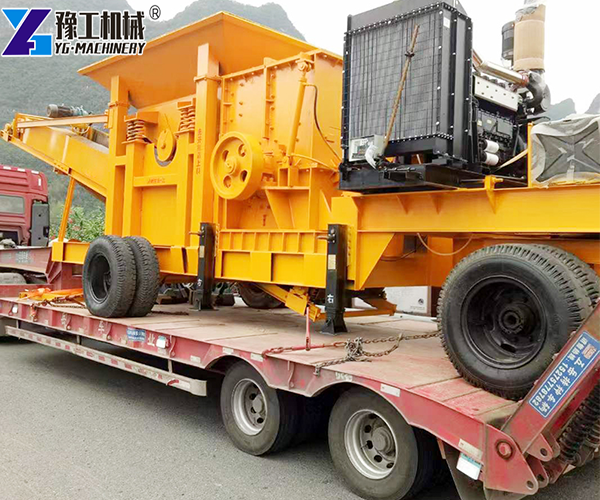
How These 3 Parameters Work Together?
These numbers do not stand alone. They work as a set.
A 180 tph mobile crusher needs a larger feed opening. More output means more input.
A 50 tph mobile crusher produces fine sand slower than a 100 tph unit. Match capacity to your output size goals.
Smaller output sizes reduce capacity. Making sand from rock is slower than making 40mm base material. The stone capacity is always higher than sand capacity on the same machine.
Match Parameters to Your Job Site
Small quarry crushing (50-80 t/h)
A quarry produces consistent rock. The 800×1000 or 1000×1200 model works well. Stone capacity of 70-80 t/h keeps the operation moving. Output size of 10-20mm or 20-40mm fits most quarry products.
Construction waste recycling (50-120 t/h)
Construction waste includes concrete, brick, and asphalt. The 1000×1200 or 1200×1200 model handles this material well. Feed size up to 200mm is fine for most demolition debris. Output size of 0-5mm or 10-20mm works for recycled aggregate.
Road construction aggregate (80-150 t/h)
Road projects need steady supply of base material. The 1200×1200 or 1200×1500 model delivers 90-120 t/h. Output size of 20-40mm is standard for road base. Adjust to 10-20mm for surface layers.
Concrete recycling (50-100 t/h)
Concrete crushing needs a machine that handles rebar and steel. The 800×1000 or 1000×1200 model works for most sites. Remove rebar with a magnet before crushing. Output size of 0-5mm or 10-20mm makes good recycled concrete aggregate.
Demolition waste processing (50-120 t/h)
Mixed demolition waste has bricks, concrete, wood, and metal. The 1000×1200 or 1200×1200 model handles the variety. Output size of 20-40mm works for fill material. Screening removes unwanted material.
Quick Selection Table
| Your Hourly Need | Stone Capacity | Recommended Model | Best For |
| 30-50 t/h | 50 t/h | 800×800 | Small demolition, concrete recycling |
| 50-70 t/h | 70 t/h | 800×1000 | Medium demolition, small quarry |
| 70-90 t/h | 80-90 t/h | 1000×1200 or 1200×1200 | Quarry, construction waste |
| 90-120 t/h | 120 t/h | 1200×1500 | Large quarry, road construction |
| 120-180 t/h | 180 t/h | 1400×1600 | Large mining, major road projects |
Two More Choices – Mobility and Power
Tracked vs Wheeled
Tracked mobile crusher – Moves on crawler tracks. Works on soft ground, mud, and slopes. No towing vehicle needed. Best for rough terrain and remote sites.
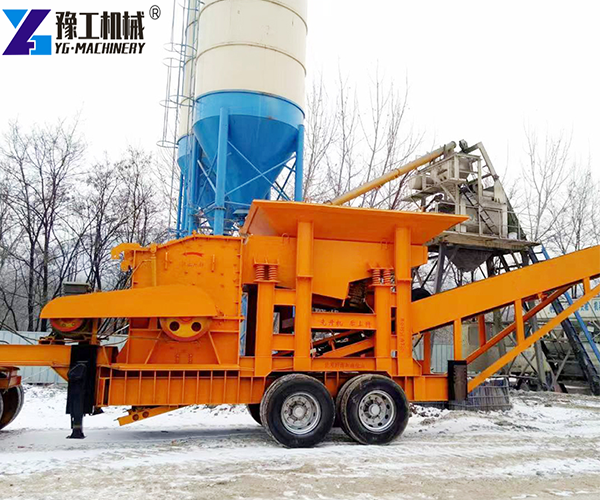
Wheeled mobile crusher – Towed by truck. Works on paved roads and flat ground. Easier highway transport. Best for moving between multiple sites.
Diesel vs Electric
Diesel power – No power line needed. Works anywhere. Fuel cost is higher. Best for remote sites without electricity.
Electric power – Lower operating cost. Needs 380V power. Best for fixed sites with reliable electricity.
Common Mistakes When Buying a Mobile Crusher
Buying too small for capacity – A contractor bought a 50 tph crusher for a job needing 80 tph. The machine ran overtime every day. He bought a larger unit six months later.
Ignoring feed size – A quarry operator put 300mm rocks into a crusher with 200mm max feed size. The machine jammed twice a day.
Wrong output size for the job – A road contractor produced 10mm aggregate. The spec called for 40mm base material. He had to screen and re-crush everything.
Forgetting about sand capacity – A sand plant needed 60 t/h. They bought a crusher with 90 t/h stone capacity but only 45 t/h sand capacity. The machine could not keep up.
Mobile Crusher Price – What to Expect
Price depends on capacity, features, and mobility. A 50 tph mobile crusher costs less than a 180 tph unit. Tracked models cost more than wheeled models. Diesel power adds cost compared to electric.
Contact YG Machinery for current mobile crusher price based on your capacity, feed size, and output needs.
Still Not Sure Which Mobile Crusher Fits Your Project?
Tell YG Machinery your required tons per hour, your biggest rock size, and your finished product size. They will recommend the right small mobile crusher for your site.
Get the right capacity, feed size, and output size the first time. Save money. Keep your project moving.
Related content:
 Tracked Crusher vs Wheeled Crusher – Which One is Right for Your Job?
 Tracked vs Wheeled Mobile Crusher– Which One Fits Your Job Site?
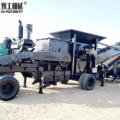 Mobile Stone Crusher Plant for Sale
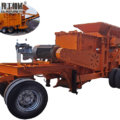 Wheeled Mobile Crusher Philippines
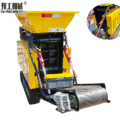 Mobile Stone Crusher Canada
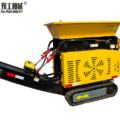 Mobile Crushing Plant Problems – 4 Common Faults and How to Fix Them