Cleaning sludge from rivers, tanks, and lakes sounds straightforward. But many plant managers and city engineers struggle with dangerous manual work, long downtime, and high labor costs. A silt removal robot solves these problems fast. It gives you a remote-controlled machine that works underwater where people cannot safely go. It pumps out sludge while operators stay dry and safe on shore. With 24/7 operation and minimal crew, this underwater dredging robot helps you clean tanks, lagoons, and waterways in days instead of weeks.
YG Machinery offers a full range of industrial dredging robots for industrial and environmental applications.
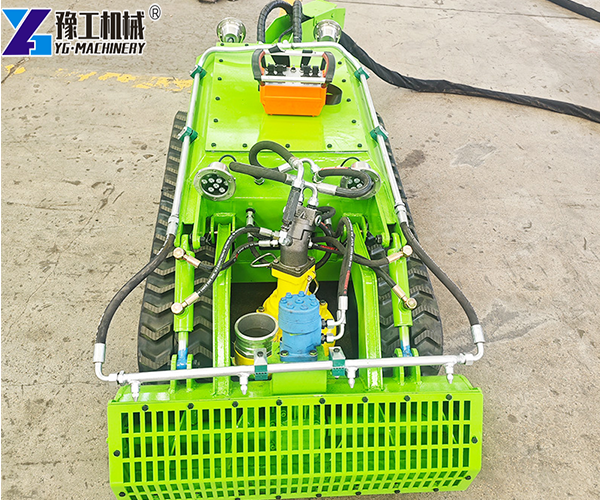
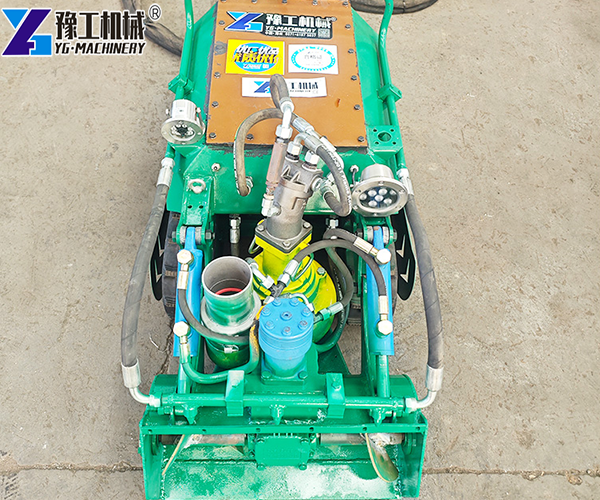
Technical Parameters of Silt Removal Machine
| Parameter | YG500 | YG600 | YG700 | YG800 | YG900 | YG1200 |
| Robot size (mm) | 1500×500×650 | 1500×600×650 | 1600×700×650 | 1600×850×700 | 1650×960×750 | 1900×1200×750 |
| Dredging width (mm) | 500 | 600 | 700 | 800 | 900 | 1200 |
| Travel speed (m/s) | 3-15 | 3-15 | 3-15 | 3-15 | 3-15 | 0-17 (m/min) |
| Pump flow (m³/h) | 100 | 100 | 160 | 160 | 200 | 250 |
| Pump head (m) | 0-30 | 0-30 | 0-25 | 0-25 | 0-25 | 0-30 |
| Main motor power (kW) | 18 | 18 | 22 | 22 | 22 | 45 |
| Max working depth | 30m | 30m | 30m | 30m | 30m | 30m |
| Control system | Wireless remote | Wireless remote | Wireless remote | Wireless remote | Wireless remote | Wireless remote |
All models feature IP68 waterproof rating, tracked chassis, and underwater LED lighting.
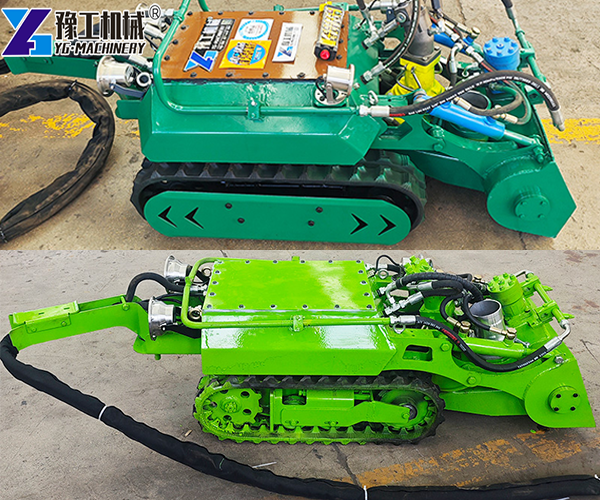
Silt Removal Machine vs Manual Dredging
Traditional manual dredging has serious problems. For example, workers enter dangerous confined spaces. Workers enter dangerous confined spaces. Accident rates exceed 15% in some industries. Projects face 60% more downtime. The work is slow, unsafe, and expensive. A silt removal robot changes all of this.
Let’s do the math. For instance, Assume you need to clean a 500m³ industrial tank once per year.
| Comparison | Manual Dredging | Silt Removal Machine |
| Workers needed | 4-5 people | 1 operator |
| Project downtime | 5-7 days | 1-2 days |
| Safety risk | High (confined space) | Zero (remote control) |
| Labor cost per cleaning | 5,000−5,000−7,000 | 1,000−1,000−1,500 |
| Cleaning quality | 70-80% coverage | 99% coverage |
| Risk of accidents | 15%+ injury rate | 0% |
Example from a real customer: A chemical plant in Houston used manual cleaning for their 500m³ storage tanks. It took 5 days of downtime and put workers at risk. They switched to a YG silt removal robot. The job now takes 2 days. Specifically,Downtime reduced by 60%. Labor cost cut by 70%. Zero safety incidents.
Your actual savings depend on your tank size and local labor rates. But the math is clear: a tank cleaning robot pays for itself quickly while keeping your workers safe.
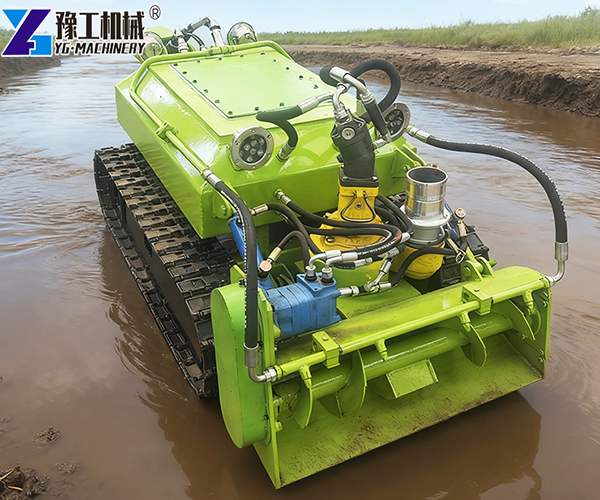
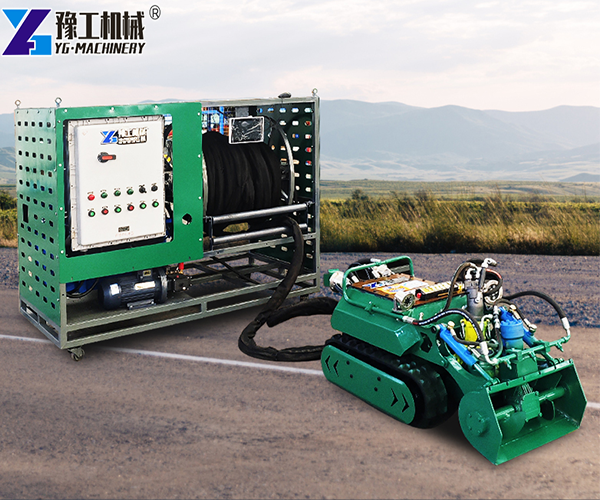
How Does a Silt Removal Machine Work?
The underwater dredging robot operates through a simple but powerful process.
Step 1: Launch and position – The robot is lowered into the water or tank. The operator stays on shore or in a control room.
Step 2: Remote control navigation – Using a wireless remote or control console, the operator guides the robot through the sludge. An underwater camera provides real-time video.
3: Sludge breaking – A high-pressure water jet or mechanical agitator breaks up compacted sludge and sediment.
4: Suction and pumping – A powerful slurry pump (up to 250m³/h) draws the sludge into a hose and pumps it to a dewatering system on shore.
5: Monitoring and adjustment – The operator watches the video feed and adjusts the robot’s path to ensure complete coverage.
6: Recovery – After cleaning, the robot is pulled out, rinsed, and stored for the next job.
The entire process keeps workers out of dangerous confined spaces. No one enters the water, breathes toxic fumes, or risks drowning or suffocation.
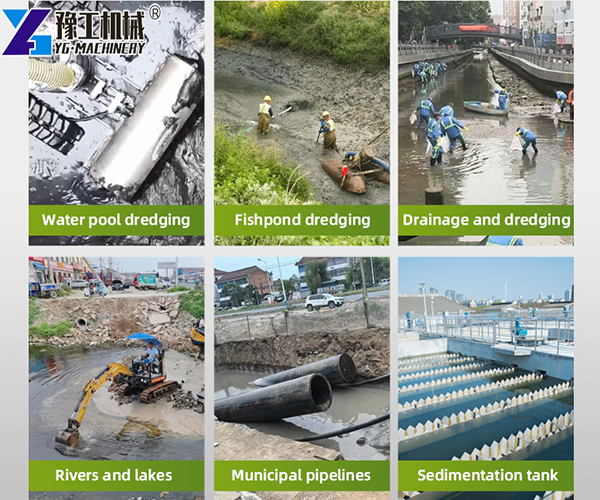
Applications of Silt Removal Machine
This silt removal robot works in many industries and environments.
Wastewater treatment plants – Sedimentation tanks accumulate thick sludge over time. Regular cleaning with a robotic dredge keeps treatment efficiency high and prevents overflow.
Chemical and industrial plants – Storage tanks need periodic sludge removal. Workers cannot safely enter these tanks. An industrial tank cleaning robot does the job without anyone going inside.
Municipal waterways – Rivers, canals, and storm drains fill with silt. A lake dredging robot restores flow and prevents flooding.
Lakes and lagoons – Excess sediment causes algae blooms and fish kills. For lake sediment removal, the robot prevents algae blooms and restores water quality. A lagoon dredging robot removes nutrient-rich sludge and improves water quality.
Power plants and mining – Cooling ponds and slurry ponds require regular cleaning to maintain operations.
Ports and harbors – Sediment buildup blocks shipping channels. The robot keeps waterways navigable.
One silt removal robot handles all these jobs. You do not need different equipment for each environment.
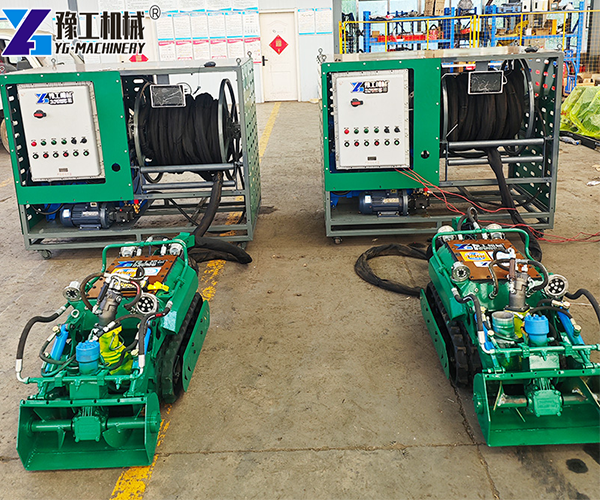
Customer Case 1: Seattle Sewer Rehabilitation Project
A major municipal sewer project in Seattle, USA was facing expensive delays. Thick sludge buildup was blocking the rehabilitation work. The project manager needed a fast, safe solution.
Manual cleaning would take weeks and require workers to enter hazardous confined spaces. The project was already behind schedule.
They used a YG industrial dredging robot with remote control and high-power suction.
The results:
lProject timeline reduced by 40%
lOn-site labor costs decreased by 75%
lZero workers entered confined spaces
lCleaning quality exceeded specifications
The project manager said the robot was not just a tool but a strategic asset that saved the project.
Customer Case 2: Chemical Plant Tank Cleaning
A lubricating oil plant in Brisbane, Australia had five 500m³ raw material storage tanks. Every six months, they needed cleaning. The old way was dangerous.
Workers had to enter the tanks. In 2022, one worker fainted from oxygen deficiency. The plant needed a safer solution.
They purchased a YG silt removal machine with explosion-proof motors and tracked chassis.
The results:
- Two tanks cleaned in three days (previously five days per tank)
- Downtime reduced by 40%
- No workers entered the tanks
- Sludge residue reduced to less than 0.8%
- Product quality increased from 97% to 99.5%
The production manager said: “The YG dredging robot solved our tank cleaning problem completely. Before, every cleaning was nerve-wracking. Now one person easily completes the task with a remote control.”
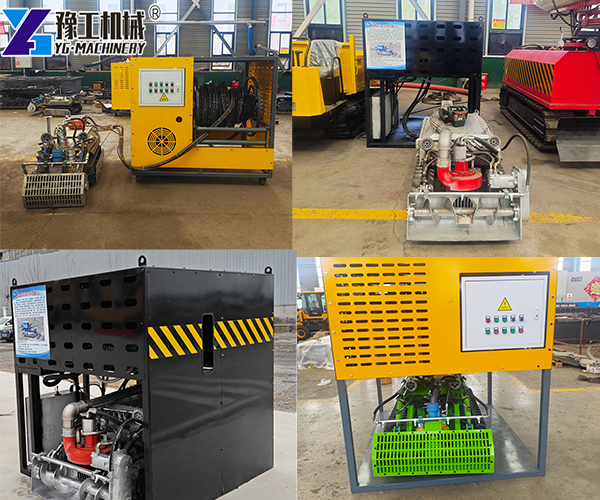
How to Choose the Right Silt Removal Robot
| Your job type | Recommended model | Why |
| Small tanks, manholes, narrow access | YG500 or YG600 (500-600mm width) | Fits through tight openings |
| Industrial tanks, wastewater plants | YG700 or YG800 (700-800mm width) | Good balance of size and power |
| Lakes, lagoons, large waterways | YG900 or YG1200 (900-1200mm width) | Higher flow rate, faster cleaning |
| Chemical plants, refineries (hazardous areas) | Any model + explosion-proof motor | Safe for flammable environments |
| Deep water (over 30m) | Custom configuration | Extended cables and deeper depth rating |
Still not sure? Tell us your tank size, sludge type, and working depth. We will recommend the right silt removal machine for your project.
FAQ
Q: What is the price of a silt removal robot for sale?
A: Price depends on model, pump capacity, and customization (explosion-proof, deeper depth, etc.). Contact us for a quote based on your needs.
Q: How deep can this underwater dredging robot work?
A: Standard models work up to 30 meters deep. Deeper configurations available on request.
Q: Can the robot handle rocks and debris?
A: The pump can handle particles up to 40-50mm depending on model. Larger debris may require pre-screening or a different attachment.
Q: Does it work in hazardous/explosive environments?
A: Yes. We offer explosion-proof motor configurations for chemical plants, oil refineries, and other flammable environments.
Q: Is training required to operate it?
A: Basic training is recommended. Most operators become comfortable within a few hours. YG provides online training and support.
Q: What maintenance does it need?
A: Rinse after each use. Inspect tracks, seals, and cables regularly. Replace worn parts as needed. Annual professional service recommended.
Q: How long does delivery take?
A: Production takes 15-30 days depending on customization. Sea freight takes 20-40 days depending on destination.