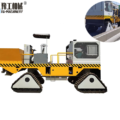
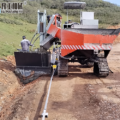
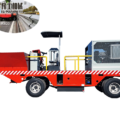
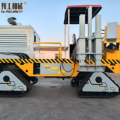
YG Machinery supplied a concrete kerbing machine to a highway project in Riyadh, Saudi Arabia. The contractor was building 25 kilometers of highway with concrete shoulders and drainage channels. Daytime temperatures exceeded 45°C. Manual formwork methods were too slow. Concrete set too quickly.
The contractor bought a YG-20 concrete curb machine. The machine paved continuously through the extreme heat. The hydraulic system maintained steady control. The high-frequency vibration ensured proper compaction.
Paving speed averaged 1.5 km per day. The project completed 30 days ahead of schedule. Labor dropped from 12 workers to 3 operators. Curb quality passed all inspections.
The project manager said the YG-20 worked perfectly in extreme heat. They finished early and under budget. They are using the same concrete kerbing machine on their next highway project.
The machine used in this project is part of our Curb and Gutter Machine for Sale lineup for highway and municipal paving.
A Saudi Highway Project Needed a Concrete Kerbing Machine
A road construction company in Saudi Arabia won a contract to build 25 kilometers of highway. The work included concrete shoulders and drainage channels alongside the roadway.
The project location was near Riyadh. Summer daytime temperatures regularly exceeded 45°C. The heat created serious problems for concrete work.
Concrete sets faster in high temperatures. Workers had little time to shape and finish the curbs before the material hardened. Manual formwork methods were too slow for the job. The contractor was falling behind schedule.
They needed a faster way to pave concrete shoulders and drainage channels in extreme heat.
Why Manual Formwork Failed in Extreme Heat?
Manual curb forming has several problems in hot weather.
Concrete sets too fast. At 45°C, concrete can become unusable in 30 minutes. Workers cannot shape it fast enough. Material gets wasted.
Formwork takes too long. Setting up wooden or metal forms along 25 kilometers of highway would take months. Each section requires measuring, leveling, and securing. The heat makes the work unbearable.
Labor costs are high. Manual methods need 10-12 workers for a job this size. Workers need frequent breaks in extreme heat. Productivity drops.
Quality suffers. Inconsistent forming leads to uneven curbs. Rework costs time and money.
The contractor searched for a slipform curb machine that could pave continuously through the heat.
Why This Slipform Curb Machine Was the Right Choice?
The contractor found YG Machinery online. The YG-20 slipform curb machine was designed for projects exactly like this.
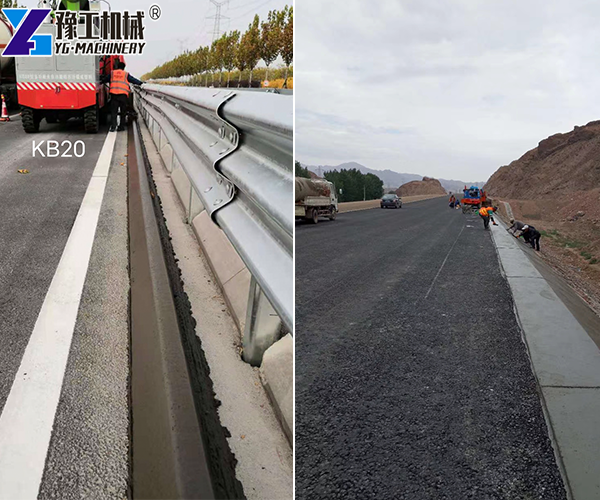
Continuous paving. The machine extrudes concrete directly from the mold. No formwork. No stopping. The YG-20 paves as it moves.
Hydraulic system for heat. The hydraulic system maintained steady control even at 45°C. No overheating. No breakdowns.
High-frequency vibration. This is critical for hot weather paving. The vibration compacts concrete immediately. The curb holds its shape even as the concrete sets faster. No slumping. No deformation.
Adjustable speed. Paving speed from 1-7 m/min. The operator slowed down on curves and sped up on straight sections.
Fewer workers. One operator on the machine. Two workers feeding concrete. That is all.
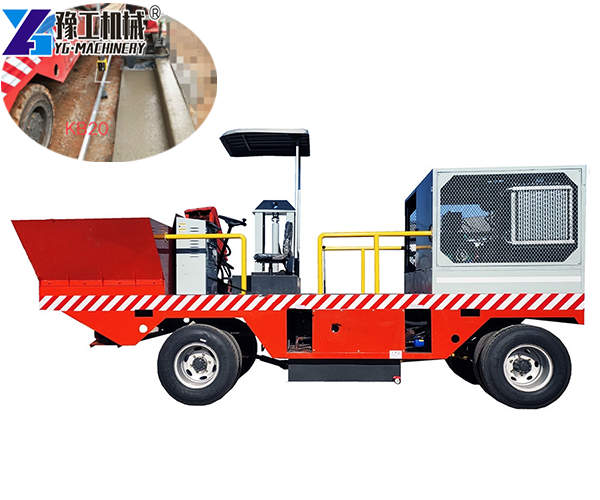
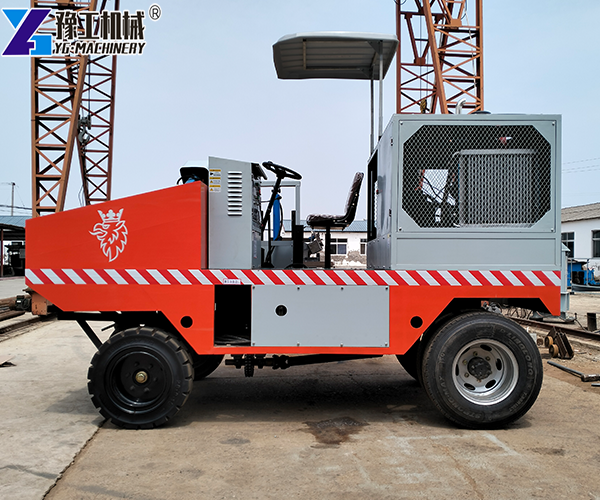
The contractor ordered the YG-20 Concrete Curb Machine , which was designed for municipal roads and highway shoulder construction.
YG-20 Concrete Curb Machine for Extreme Heat
Here is what the Saudi project received:
| Specification | YG-20 |
| Type | Portable wheel type |
| Engine | 65kW diesel |
| Curb height (max) | 600mm |
| Curb width (max) | 2000mm |
| Paving speed | 1-7 m/min |
| Weight | 6000 kg |
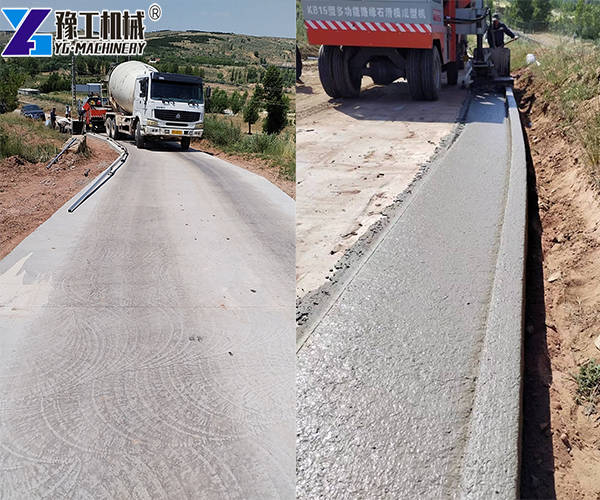
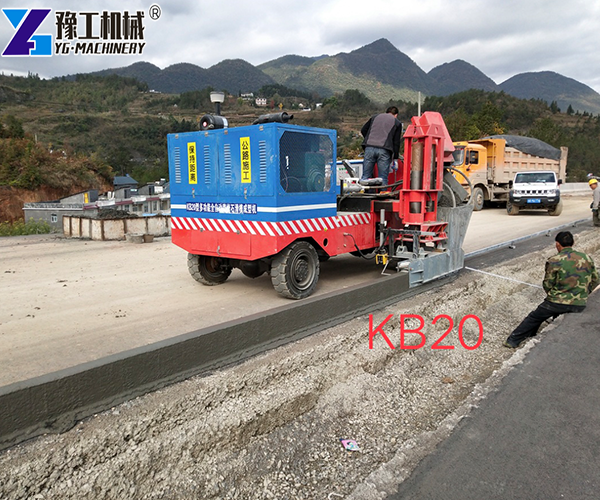
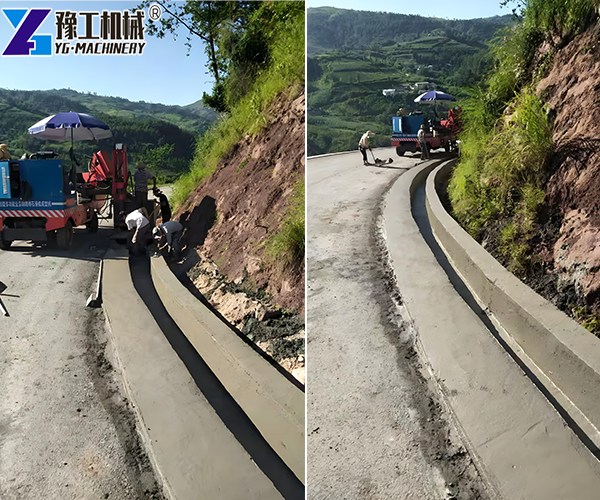
The YG-20 ran on diesel power. The operator guided the machine along the highway alignment. Concrete was loaded into the hopper. The screw conveyor moved it forward. The high-frequency vibrator compacted the material inside the mold. The curb extruded from the back in a continuous, uniform shape.
No formwork. No waiting for concrete to dry.
Results: 1.5 km Per Day, 30 Days Early
Paving speed. The YG-20 averaged 1.5 kilometers per day. At that rate, 25 kilometers took about 17 working days. Manual methods would have taken months.
Schedule. The project completed 30 days ahead of schedule. Early completion meant no penalty risks. The contractor could bid on new work sooner.
Labor savings. Manual methods would need 12 workers. The YG-20 needed only 3 operators.
Quality. Every curb passed inspection. The high-frequency vibration produced dense, strong concrete with smooth surfaces. No cracks. No uneven sections.
Heat performance. The hydraulic system and diesel engine ran without issues at 45°C. The high-frequency vibration allowed the concrete to hold its shape despite the fast setting time.
The curb paving machine paid for itself on this one project.
If you’re planning a similar project, read our guide on How to Choose a Concrete Curb Machine .
Customer Feedback from Saudi Arabia
The project manager said:
*”The YG-20 worked perfectly in our extreme heat. We finished early and under budget. We are using the same concrete kerbing machine on our next highway project.”*
He confirmed the machine saved them $60,000 in labor costs. The early completion also opened their schedule for additional contracts.
FAQ
Q: How fast can this concrete kerbing machine pave?
A: The YG-20 paves at 1-7 meters per minute. The Saudi project averaged 1.5 kilometers per day including setup and concrete delivery.
Q: Does it work in extreme heat?
A: Yes. The YG-20 was tested in Saudi Arabia at 45°C. The hydraulic system and diesel engine ran without overheating. The high-frequency vibration allowed the concrete to hold its shape.
Q: What curb sizes can this curb and gutter machine produce?
A: Curb height up to 600mm, width up to 2000mm. Different molds are available for different profiles.Learn more about specifications on our Slipform Curb Machine for Sale page.
Q: How many workers are needed?
A: Three workers total. One operates the machine. Two feed concrete into the hopper. Manual methods need 10-12 workers.
Q: Does it need formwork?
A: No. The YG-20 is a slipform curb machine. It shapes concrete directly without forms.
Q: What concrete mix does it use?
A: Zero-slump or low-slump dry mix concrete. The high-frequency vibration compacts it immediately.
Q: Can it handle curves?
A: Yes. The minimum turning radius is 6800mm. The automatic steering system guides the machine on curves.
Q: Do you ship to Saudi Arabia?
A: Yes. YG has exported concrete kerbing machines to Saudi Arabia, Indonesia, Iceland, New Zealand, and many other countries.